Swim Jets
How to Become a Swim Teacher in Australia (2026)
August 10, 2026 · 10 min read
Love the water? Good with kids? You do not need to have been a competitive swimmer. Swim teaching is a practical job built around patience, clear communication and safety. It can also fit around study, parenting or another job.
The pathway is fairly simple. Get recognised training. Complete the practical requirements. Hold the child-safety clearance required in your state or territory. Keep CPR current. Then start teaching, usually with plenty of supervision and feedback while you settle in.
This guide brings the main national training routes, state screening requirements and major swim-school employers into one place. Details were checked in August 2026, but always confirm the latest requirements before enrolling.
Quick answer: what do you need to become a swim teacher?
In Australia, the national Swimming and Water Safety Teacher skill set is SISSS00132. Training.gov.au lists five units covering water rescues, lesson planning, water familiarisation and mobility, water safety and survival, and swimming strokes.
AUSTSWIM says candidates must be at least 16 and need to be comfortable in deep and shallow water. You do not need to be an elite swimmer. Its current guidance says candidates need to be able to swim at least 10 metres. Other providers can have slightly different entry arrangements, so check the course before booking.
Steps
- Choose a recognised swim-teacher training provider.
- Complete online or theory work and face-to-face practical training.
- Complete workplace practice and assessment required by your provider.
- Hold current CPR and any other employer-required first aid or rescue credentials.
- Obtain the child-safety screening required where you work.
- Apply to swim schools, council pools, aquatic centres, schools and community programs.
The three main national training providers
AUSTSWIM offers Teacher of Swimming and Water Safety training, licensing and specialist pathways in infants and preschool aquatics, access and inclusion, adults and competitive strokes. AUSTSWIM licences are renewed every three years and its current guidance requires ongoing professional development.
SWIM Coaches and Teachers Australia (SWIM) is a national RTO and industry body. Its training combines online learning with face-to-face practical workshops. It also provides membership, professional development and employment resources.
Royal Life Saving Australia provides swim-teacher pathways through its state and territory member organisations. Its national course information also lists extensions for infants, adults, access and inclusion and competitive strokes.
Australian swim teacher directory
| Coverage | Major centres | Training / employer examples | Quick note |
|---|---|---|---|
| National | Australia-wide | AUSTSWIM; SWIM; Royal Life Saving; GOswim / Belgravia | Recognised training and national employment pathways. GOswim says selected candidates may receive swim-teacher and CPR training at no cost. |
| NSW | Sydney; Newcastle; Wollongong; regional | Carlile Swim; Aquabliss; Royal Life Saving NSW; council aquatic centres | Carlile says you can apply before qualifying. NSW uses a Working with Children Check. |
| VIC | Melbourne; Geelong; regional | Kingswim; YMCA Victoria; State Swim; Life Saving Victoria | Kingswim offers in-house training and paid supervised hours. Victoria uses a Working with Children Check. |
| QLD | Brisbane; Gold Coast; Sunshine Coast; Ipswich | Rackley Swimming; Swim Factory Australia; GOswim venues | Rackley operates 40+ schools across Queensland. Queensland uses the Blue Card system. |
| WA | Perth; Mandurah; regional | State Swim; Royal Life Saving WA; WA Education swimming programs | WA Education says roles span 180+ metro and regional locations. RLS WA lists subsidised options for eligible students. |
| SA | Adelaide; surrounds | State Swim; YMCA SA Aquatic and Events; Royal Life Saving SA | RLS SA lists online learning, a two-day practical course and workplace hours. SA uses a WWCC. |
| TAS | Hobart; Launceston; regional | Royal Life Saving Tasmania; local aquatic and council programs | Check live course dates locally. Tasmania uses Registration to Work with Vulnerable People. |
| ACT | Canberra | Kingswim; Carlile Swim; Royal Life Saving ACT | Learn-to-swim and specialist pathways. ACT uses Working with Vulnerable People registration. |
| NT | Darwin; Palmerston; Alice Springs; regional | Royal Life Saving NT; local aquatic and school programs | Regional delivery can create different opportunities. NT requires an Ochre Card. |
What swim schools actually look for
The paperwork matters. So does personality. Kingswim says you do not need to be a strong swimmer, but you do need basic swimming ability, comfort in the water and an interest in developing children. Carlile welcomes people who are not yet qualified and can help them through training. GOswim lists swim-teacher accreditation, CPR, a Working with Children Check and, for its roles, First Aid and a Police Check among its requirements.
Do not wait until you feel like an expert before speaking to employers. Some larger swim schools recruit for attitude first and help suitable people qualify. Reliability is important too. Lessons often run before school, after school and on weekends. Friendly communication with parents matters. So does being able to repeat a skill calmly for a nervous beginner who may need more time.
Is there work, and what does it pay?
Jobs and Skills Australia reported about 12,000 Swimming Coaches and Instructors in its April 2026 profile. Around 92% worked part-time, 75% were female and the median age was 22. That profile reinforces why swim teaching is commonly used alongside study or other commitments, although the job is open to people of any age who meet employer and training requirements.
There is no single national hourly rate. Pay depends on the employer, classification, age, experience, casual loading and applicable industrial instrument. The Fair Work Ombudsman says the Fitness Industry Award can cover aquatic centres, aquatic services and classes, and includes swim coaches among covered examples. Use the Fair Work PACT calculator for the current minimum rate that applies to your circumstances.
Where can the career go next?
Your first qualification does not have to be the end point. Teachers can move into baby and preschool teaching, adult lessons, access and inclusion, advanced strokes, squad coaching, deck supervision, staff training or centre management. AUSTSWIM and Royal Life Saving both publish extension pathways.
It is also a useful job for people who want a career in aquatics without beginning as a lifeguard. Some employers actively combine training, workplace hours and a job pathway. Ask before paying for everything yourself. There may be funded or employer-supported options in your area.
State and territory child-safety screening
Each state and territory has its own child-safety screening requirement. You will need the clearance that applies where you work.
- NSW: Working with Children Check
- Victoria: Working with Children Check
- Queensland: Blue Card
- Western Australia: Working with Children Check
- South Australia: Working with Children Check
- Tasmania: Registration to Work with Vulnerable People
- ACT: Working with Vulnerable People
- Northern Territory: Ochre Card
Official resources and sources
- Training.gov.au (SISSS00132)
- AUSTSWIM
- AUSTSWIM Training Courses
- SWIM Coaches and Teachers Australia
- Royal Life Saving Australia swim teacher courses
- GOswim Australia Employment
- Carlile Swim
- Kingswim Careers
- Jobs and Skills Australia
- Fair Work Ombudsman, Fitness Industry Award
- Fair Work PACT calculator
Disclaimer
Disclaimer: This article is general career and industry information, not legal, employment or training advice. Course names, fees, funding, licence rules, screening rules and employer requirements can change. Requirements also differ between states, territories, providers and workplaces. Check the relevant training provider, government screening authority and prospective employer before enrolling or accepting work. Last checked: 10 August 2026.
Frequently Asked Questions
- What qualifications do I need to become a swim teacher in Australia? +
- The national Swimming and Water Safety Teacher skill set is SISSS00132, covering five units including water rescues, lesson planning and swimming strokes. Training is offered by AUSTSWIM, SWIM Coaches and Teachers Australia, and Royal Life Saving Australia.
- Do I need to be a strong swimmer to teach swimming? +
- No. AUSTSWIM says candidates need to be comfortable in deep and shallow water and able to swim at least 10 metres. You do not need competitive swimming experience, but you do need basic water confidence and safety skills.
- How old do I need to be to start swim teacher training? +
- AUSTSWIM says candidates must be at least 16 years old. Other providers may have slightly different entry arrangements, so check the specific course requirements before booking.
- What child-safety screening do I need as a swim teacher? +
- Each state and territory has its own requirement: NSW, Victoria, WA and SA use a Working with Children Check, Queensland uses a Blue Card, Tasmania requires Registration to Work with Vulnerable People, the ACT uses Working with Vulnerable People registration, and the NT requires an Ochre Card.
- What do swim schools look for when hiring teachers? +
- Qualifications matter, but so do personality and reliability. Schools value patience, clear communication, comfort in the water and interest in developing children. Some larger schools recruit for attitude and help suitable people qualify.
- Is swim teaching a full-time or part-time job? +
- About 92% of Swimming Coaches and Instructors work part-time according to Jobs and Skills Australia. Lessons often run before school, after school and on weekends, making it suitable alongside study, parenting or another job.
- What award covers swim teacher pay in Australia? +
- The Fair Work Ombudsman says the Fitness Industry Award can cover aquatic centres, aquatic services and swim coaches. Use the Fair Work PACT calculator for the current minimum rate that applies to your specific circumstances.
- Where can swim teaching lead as a career? +
- Teachers can progress into baby and preschool teaching, adult lessons, access and inclusion, advanced strokes, squad coaching, deck supervision, staff training or centre management. AUSTSWIM and Royal Life Saving both publish extension pathways.
- Can I apply to swim schools before I am fully qualified? +
- Some schools say yes. Carlile welcomes people who are not yet qualified and can help them through training. GOswim says selected candidates may receive swim-teacher and CPR training at no cost. Ask before paying for everything yourself.
- Can a home swim jet help me practise for swim teacher training? +
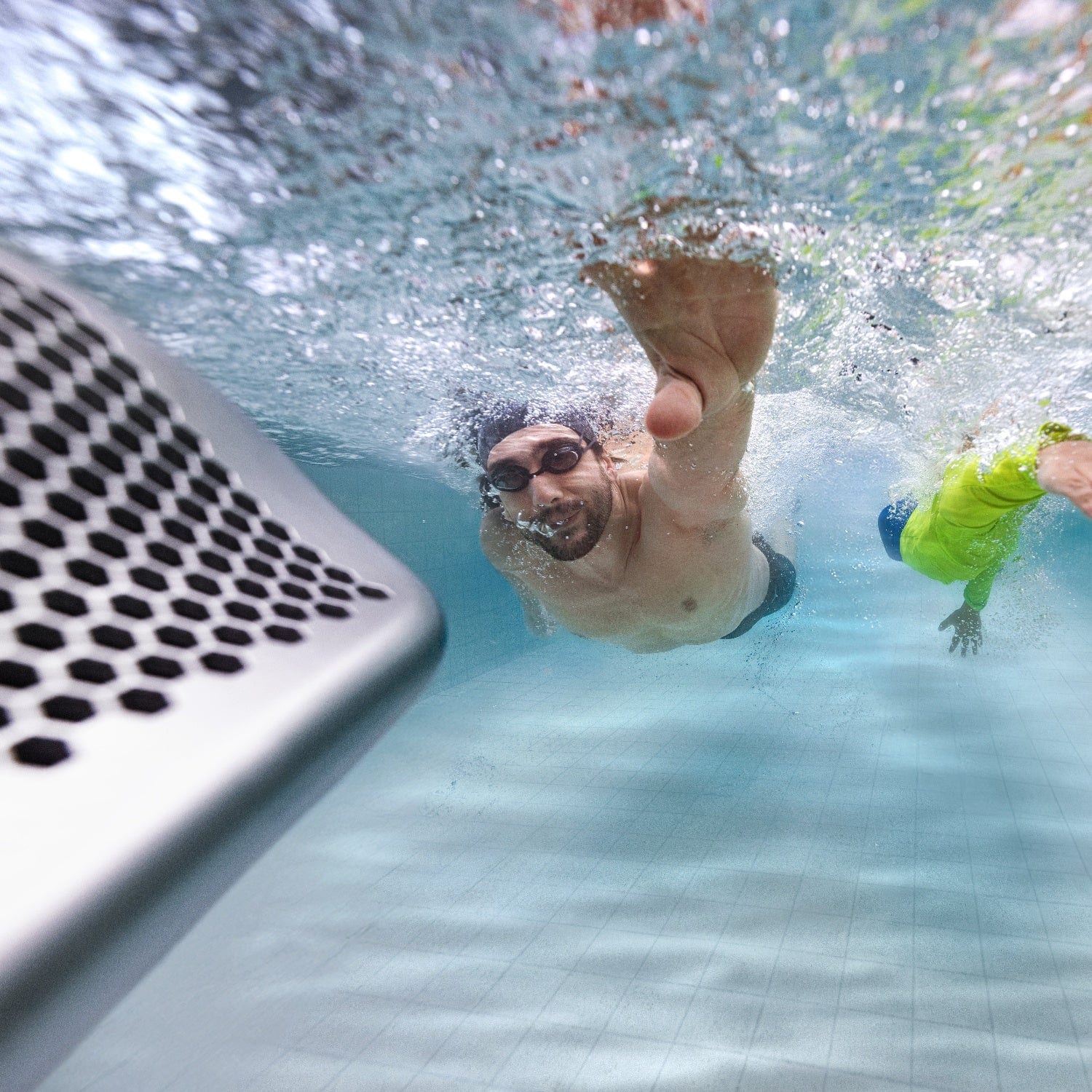
- Yes. The M Series lets you build water fitness and confidence in your own pool. Practising strokes, body position and water comfort at home can be valuable preparation for the practical requirements of swim-teacher training courses.
Ready to upgrade your pool?
Explore the Swim Jets Australia range or get a tailored recommendation in two questions.