Swim Jets
Surf and Swimming Clubs in Australia: Culture, Competition, Safety and Fitness
August 10, 2026 · 12 min read
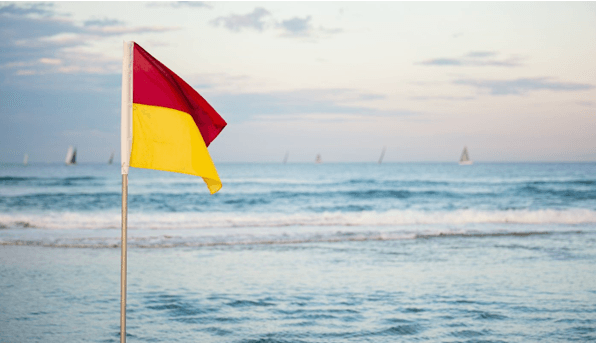
Ask what summer in Australia looks like and water is rarely far from the answer. It is a child learning to float. A squad swimmer counting laps before school. Red and yellow flags moving in the sea breeze. Parents timing races, volunteers setting up a carnival and clubmates sharing breakfast after training. Swimming is sport, but it is also a life skill and a social language.
That connection is unusually deep. The Australian Sports Commission estimates that 3.483 million Australians aged 15 and over, plus 1.124 million children aged 0 to 14, participated in swimming at least once in 2025. Surf Life Saving Australia reported that its membership passed 200,000 across 316 affiliated clubs in 2025. These are not small subcultures. They are part of everyday Australian life.
Why surf and swimming clubs matter in Australia
Organised swimming has long roots. Australia’s first national swimming championships were held in 1894, while the first volunteer surf lifesaving clubs emerged on Sydney beaches in 1907. The National Museum of Australia describes the surf lifesaver as an Australian icon and estimates lifesavers have rescued more than 700,000 people since 1907.
The reason clubs endure is that they give people more than a lane or a beach patrol. They offer belonging, structure and purpose. Children learn skills and confidence. Teenagers find competition and responsibility. Adults coach, officiate, patrol, organise and train. Older members often stay connected through masters swimming, volunteering and social events.
Swimming Australia expresses its club culture through the F.I.S.H. values: Fairness, Integrity, Safety and Happiness. Surf lifesaving has its own long tradition of service, discipline, teamwork and practical competence. Different organisations use different language, but the common idea is simple: become capable in the water, look after other people and keep the sport enjoyable.
Australian swimming and surf lifesaving: a statistical snapshot
| Indicator | Figure | Source |
|---|---|---|
| Australians aged 15+ who swam at least once in 2025 | 3.483 million | Australian Sports Commission / AusPlay |
| Children aged 0 to 14 who swam at least once in 2025 | 1.124 million | Australian Sports Commission / AusPlay |
| Surf Life Saving membership | More than 200,000 | Surf Life Saving Australia, 2025 |
| Affiliated surf lifesaving clubs | 316 | Surf Life Saving Australia |
| Junior Activity Members aged 5 to 13 | 67,470 | SLSA 2024/25 Annual Report |
| Surf lifesaving rescues in the latest reported year | 8,207 | Surf Life Saving Australia |
| Preventative actions in the latest reported year | 2.19 million | Surf Life Saving Australia |
| Australian drowning deaths, 1 Jul 2024 to 30 Jun 2025 | 357 | Royal Life Saving Australia, National Drowning Report 2025 |
Competition: the fun of finding out what you can do
Competition is part of the culture, but it is not only about elite medals. A first club race can matter as much to a young swimmer as a national final matters to a champion. Training teaches pacing, technique, resilience, preparation and how to win or lose well.
Surf sport adds another layer. The Australian Surf Life Saving Championships bring members from Australia’s 316 clubs together across more than 550 beach and ocean events. Many events are built from real lifesaving skills: swimming, board work, surf craft, rescue techniques and teamwork. Historically, carnivals helped keep lifesavers fit and competent. That link between fitness and usefulness remains one of the movement’s distinctive strengths.
Safety is central to swimming culture
Australia’s love of water comes with risk. The Royal Life Saving Australia National Drowning Report 2025 recorded 357 drowning deaths between 1 July 2024 and 30 June 2025, 27% above the 10-year average. Surf Life Saving Australia has also reported that the 154 coastal drowning deaths in the year it cited occurred at unpatrolled locations.
The practical message is familiar because it works: choose a patrolled beach, swim between the red and yellow flags, read the conditions, ask a lifesaver if unsure, know your limits and keep children actively supervised. Strong pool swimming helps build capacity, but ocean confidence should never be confused with ocean knowledge. Rips, waves, cold water, rocks and fatigue change the equation.
Swimming for life, from young swimmers to active older adults
One reason swimming stays relevant is that the relationship can change with age. A child may begin with water confidence, move into squad or surf club competition, then later swim for fitness, stress relief, rehabilitation support or simple enjoyment. Some become coaches, officials or volunteers. Others come back to the pool decades after their last race.
That makes swimming unusual. It can be technically demanding and fiercely competitive, yet it can also be gentle, social and adaptable. The important point is to match the session to the swimmer’s age, ability, health and supervision needs.
Where swim jets fit into the Australian swimming story
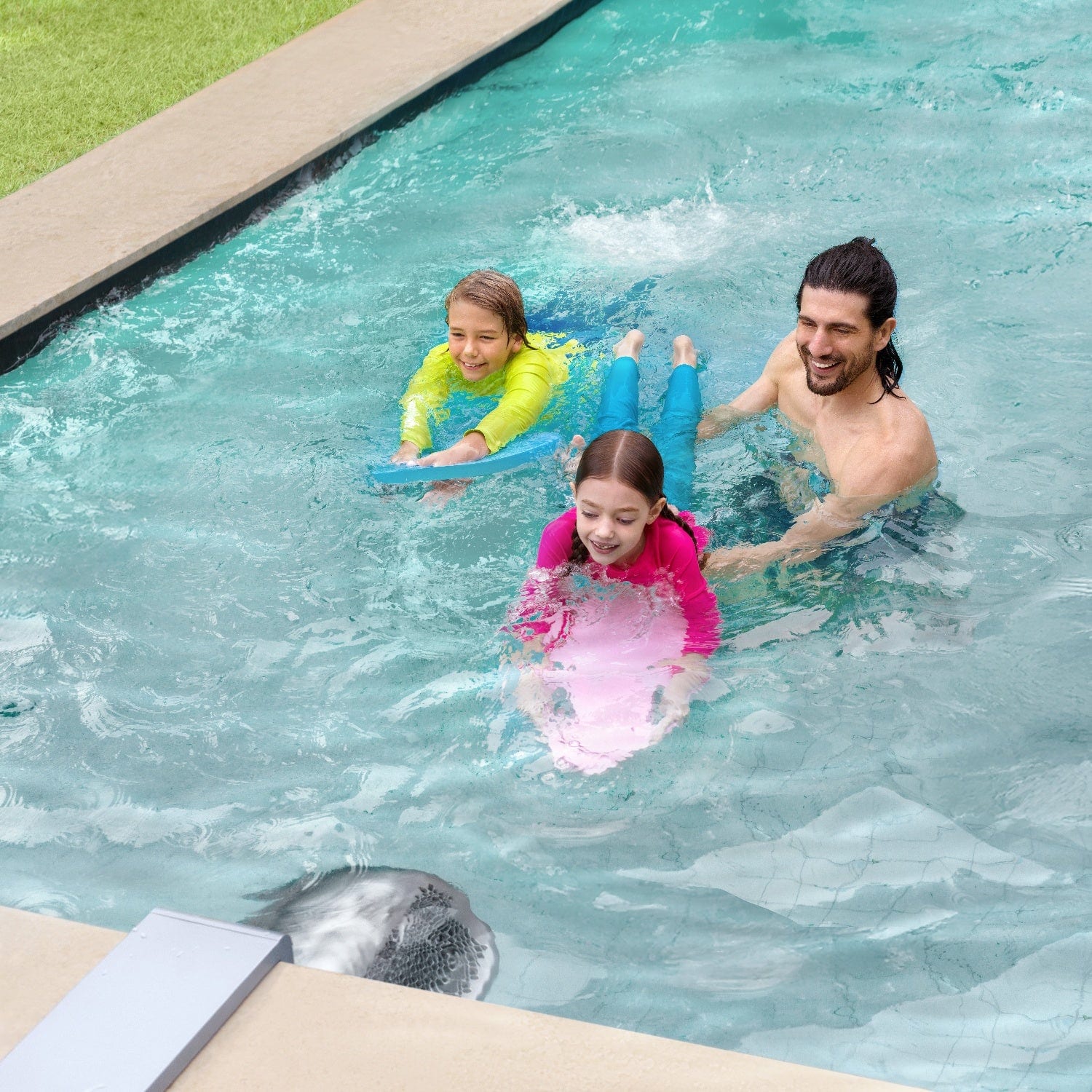
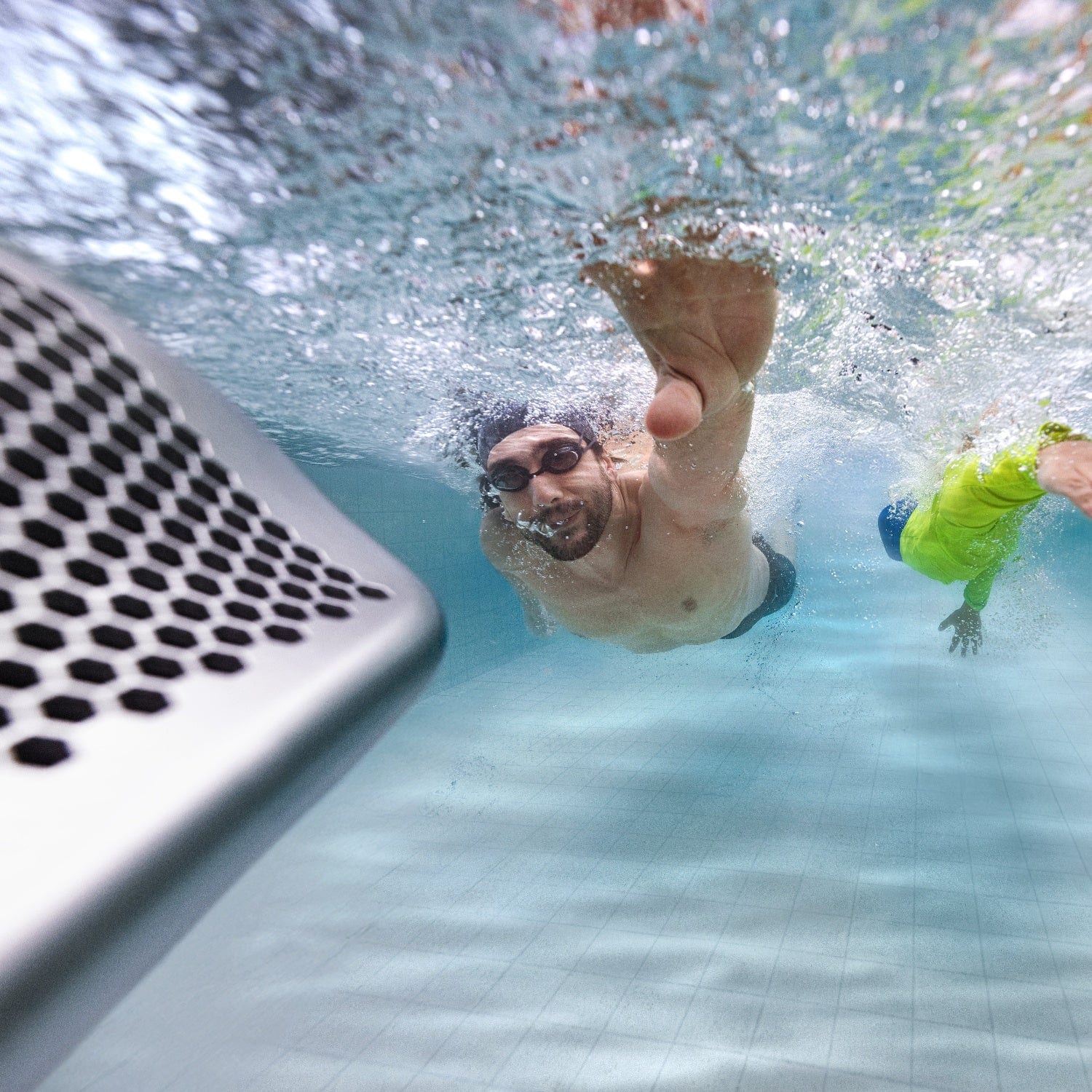
A swim jet does not replace a swimming club, a qualified coach, a patrolled beach or open-water experience. It can, however, make a home pool more useful between club sessions. A counter-current lets the swimmer stay in one place while swimming continuously against adjustable water flow. That can support technique practice, aerobic work, controlled intervals and general aquatic fitness without needing a 25-metre lap pool.
For competitive swimmers, the attraction is repeatability. The current can create a consistent training stimulus for steady freestyle, body-position work and endurance sessions. For recreational swimmers, it can turn a short backyard pool into a place where continuous swimming is possible. For older adults, a lower setting may provide a convenient form of adjustable aquatic exercise, subject to medical advice where appropriate.
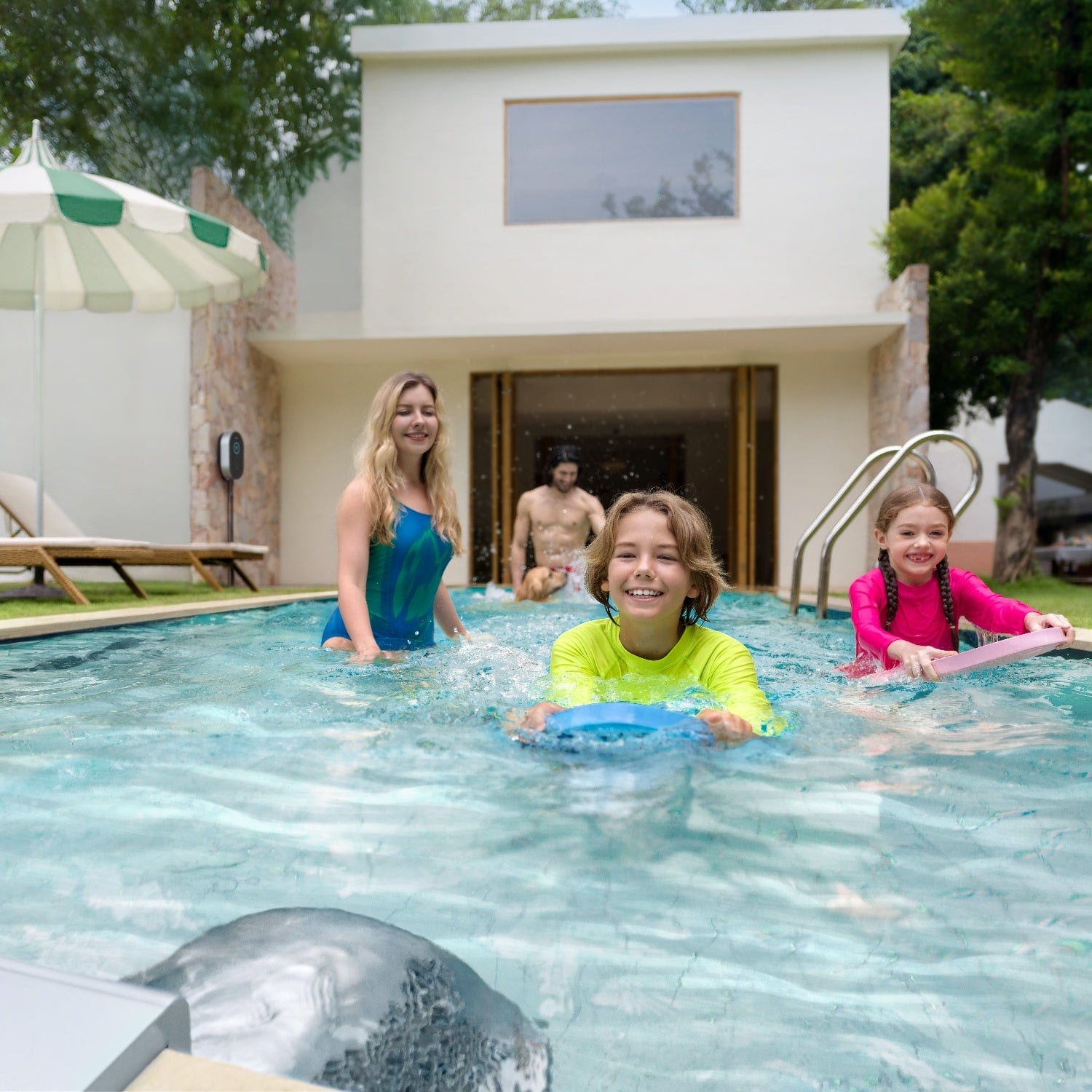
It can also be fun. Families can use the current for supervised swimming games, resistance challenges and play. That helps connect fitness with entertainment, which is often the difference between a pool that is admired and a pool that is regularly used.
The bigger idea
Australian swimming culture works because it joins things that are sometimes treated separately: skill and safety, competition and friendship, personal fitness and community service. The club gives those ideas a home. The beach tests them. The pool develops them. New training tools, including swim jets, can extend them into the backyard.
The goal is not simply to swim faster. It is to become a stronger, safer and more confident swimmer, to enjoy the water for longer, and to help the next generation do the same.
Resources and authority links
- Australian Sports Commission, AusPlay
- Swimming Australia
- Surf Life Saving Australia
- Beachsafe
- Royal Life Saving Australia, National Drowning Report 2025
- National Museum of Australia, First lifesaving club
Disclaimer
Hero image: Photo by Nathan Cowley / Pexels, Bundall QLD. Free to use under the Pexels licence.
Disclaimer: This article is provided for general information only. Participation, membership and drowning figures are drawn from the cited organisations and were current at the time of writing. Statistics, programs and safety guidance can change. Swimming ability does not remove the risks of open water. Follow local warnings and the directions of lifesavers, lifeguards, coaches and relevant authorities. Children require active supervision around water. Swim jets and aquatic exercise equipment should be installed and used in accordance with manufacturer instructions, Australian electrical and pool-safety requirements, and individual health needs. Seek professional or medical advice where appropriate.
Frequently Asked Questions
- How many Australians participate in swimming? +
- The Australian Sports Commission estimates that 3.483 million Australians aged 15 and over plus 1.124 million children aged 0 to 14 participated in swimming at least once in 2025. Swimming is one of the most popular participation activities in the country.
- How many surf lifesaving clubs are there in Australia? +
- Surf Life Saving Australia reported more than 200,000 members across 316 affiliated clubs in 2025. The movement has a long history, with the first volunteer surf lifesaving clubs emerging on Sydney beaches in 1907.
- Can a swim jet help with surf club training? +
- Yes. A home swim jet lets club members add extra pool sessions for technique, endurance and fitness between beach training. The M Series provides a continuous, adjustable current that supports sustained swimming without needing access to a lap pool.
- What values guide Australian swimming clubs? +
- Swimming Australia expresses its club culture through the F.I.S.H. values: Fairness, Integrity, Safety and Happiness. Surf lifesaving has its own tradition of service, discipline, teamwork and practical water competence.
- Is swimming a good activity for older adults in Australia? +
- Swimming is unusually adaptable. It can be technically demanding and competitive, yet also gentle, social and adjustable. Many older members stay connected through masters swimming, volunteering and social events at their local club.
- How does a swim jet complement club swimming? +
- A swim jet does not replace a swimming club, qualified coach or open-water experience. It can make a home pool more useful between club sessions for technique practice, aerobic work, controlled intervals and general aquatic fitness.
- Can families use a swim jet for recreation and fitness? +
- Yes. The M Series has five swim modes from gentle to strong, allowing the whole family to benefit. Lower settings suit supervised swimming games and water play, while higher settings support fitness training for stronger swimmers.
- What drowning statistics should Australian pool owners know? +
- Royal Life Saving Australia's 2025 report recorded 357 drowning deaths between July 2024 and June 2025. Among children under five, half of the 15 drowning deaths occurred in home swimming pools. Barriers and active supervision remain critical.
- How can a swim jet support junior swimmers? +
- A home swim jet lets young swimmers practise technique and build endurance outside of squad sessions. The adjustable current can be set to a gentle level appropriate for developing swimmers, with easy controls that parents can manage.
- Does pool swimming help prepare for ocean swimming? +
- Strong pool swimming helps build capacity and technique, but ocean confidence should never be confused with ocean knowledge. Rips, waves, cold water, rocks and fatigue change the equation. Always swim between the flags at patrolled beaches.
Ready to upgrade your pool?
Explore the Swim Jets Australia range or get a tailored recommendation in two questions.