Swim Jets
Top 10 Ways to Get Maximum Value From a Swimming Pool in Australia
August 10, 2026 · 9 min read

Quick summary
- Value means more than resale price. It includes safety, use, running costs, equipment life and enjoyment.
- Get compliance, water chemistry and filtration right before spending on optional upgrades.
- Compare franchise and independent maintenance providers on competence, scope, transparency and insurance.
- Add features such as heating, automation or swim jets only when they increase real use of the pool.
| Priority | Owner action | Value protected or created |
|---|---|---|
| 1 Safety | Barrier, gate, supervision, local compliance | People, legal compliance |
| 2 Usability | Design around real household use | Enjoyment and frequency of use |
| 3 Water | Test and balance consistently | Comfort, surfaces, equipment |
| 4 Filtration | Maintain flow, baskets and filter | Water clarity and system efficiency |
| 5 Energy | Efficient pump and sensible schedule | Running costs |
| 6 Prevention | Service before failure | Equipment life, fewer disruptions |
| 7 Cover | Use when practical | Water and heat retention |
| 8 Service model | Choose DIY, franchise or independent support | Convenience and consistency |
| 9 Upgrades | Heating, automation, lighting, swim jets where useful | More use from the pool |
| 10 Records | Track tests, work, warranties and costs | Better decisions over time |
A swimming pool can be expensive to build and surprisingly easy to underuse. The best value does not come from adding the most equipment. It comes from making the pool safe, easy to live with and enjoyable enough that people actually use it. Here are the ten priorities that matter most.
1. Get safety and compliance right first
Start with the barrier, gate, access points and local rules. Pool laws are state and territory based, so use your council or state pool safety authority rather than relying on a generic checklist. Royal Life Saving reported that half of the 15 drowning deaths among children under five in 2024-25 occurred in home swimming pools. Safety is the first value test because everything else depends on it.
2. Match the pool to how you will really use it
Prospective owners should decide whether the pool is mainly for children, social use, cooling off, lap swimming, exercise or a mix. Depth, steps, benches, shade and a clear swimming zone can matter more than raw size. Existing owners can often improve usability without rebuilding the pool.
3. Keep water chemistry stable
Test regularly. HealthyWA advises that chlorine works best when pH is between 7.2 and 7.8, with 7.5 ideal for bathers. NSW Health also stresses maintaining disinfectant and pH settings and keeping filters working properly. Stable water is more comfortable and helps protect surfaces and equipment.
4. Maintain filtration and circulation
Empty skimmer baskets, clean or backwash filters as required, and investigate weak flow early. A dirty filter makes the whole system work harder. Keep it simple. Catch small problems before they become repair jobs.
5. Control energy use
The Australian Government says a 5-star variable-speed pump uses 55% less energy than a 1-star single-speed pump. Buy the smallest effective pump for the pool, run it efficiently, and review schedules by season rather than leaving old timer settings untouched.
6. Service equipment before failure
Pumps, chlorinators, heaters, cleaners, valves and seals give warning signs. Noise, leaks, pressure changes, error codes and declining water quality deserve attention. Preventive service is usually less disruptive than a breakdown in the middle of summer.
7. Use a pool cover when practical
A cover can reduce water loss, heat loss and debris. Energy.gov.au includes pool covers among its tips for reducing water loss and heating costs. The best cover is one that is easy enough to use regularly.
8. Choose a maintenance model that suits you
DIY can work for engaged owners. Others prefer weekly, fortnightly, monthly or seasonal professional help. Franchise networks such as Poolwerx and Swimart are one option. Independent technicians are another. SPASA's Find a Member tool can help locate service professionals. Ask any provider for the service scope, test results, chemical charges, call-out terms and evidence of relevant insurance or licensing.
9. Add upgrades that increase actual use
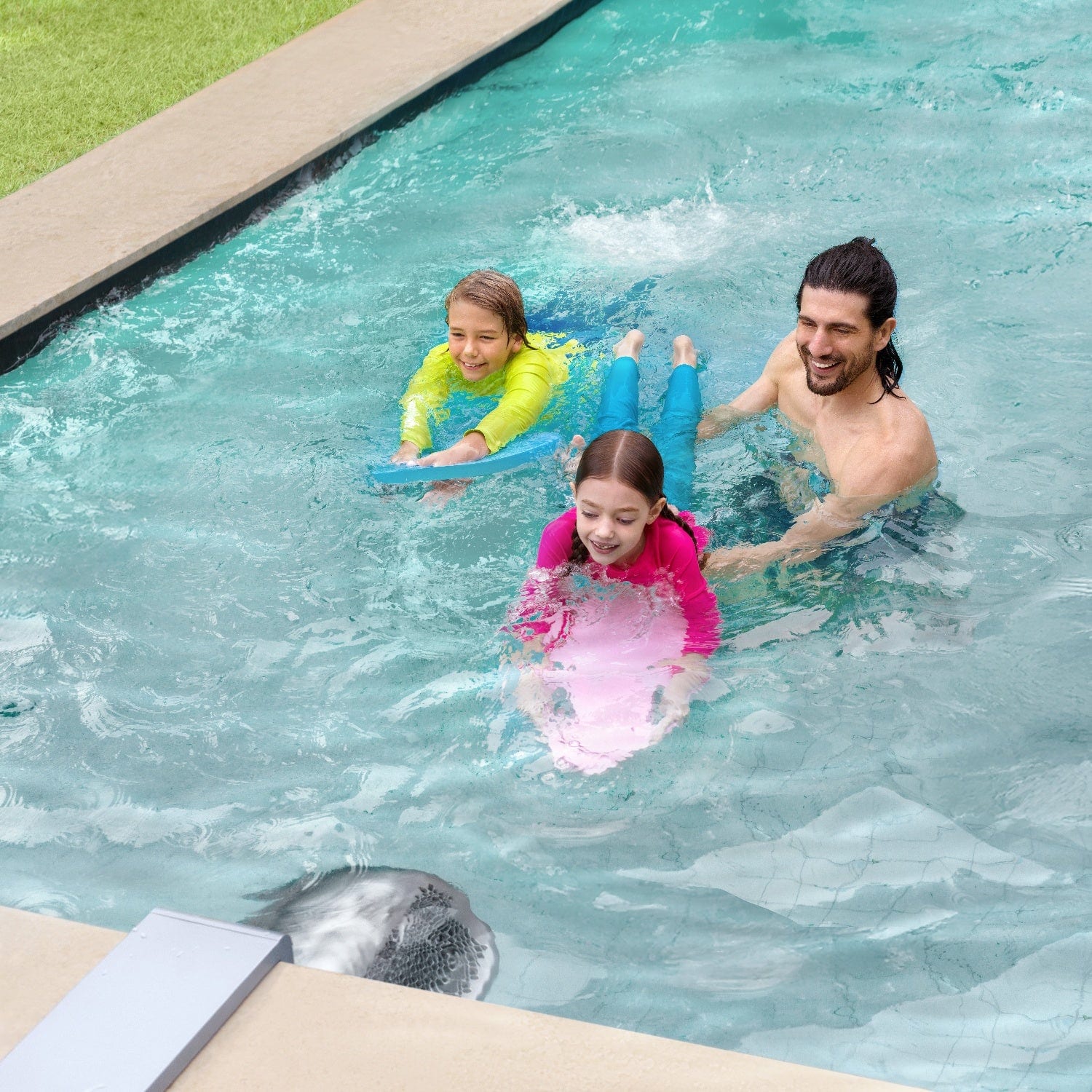
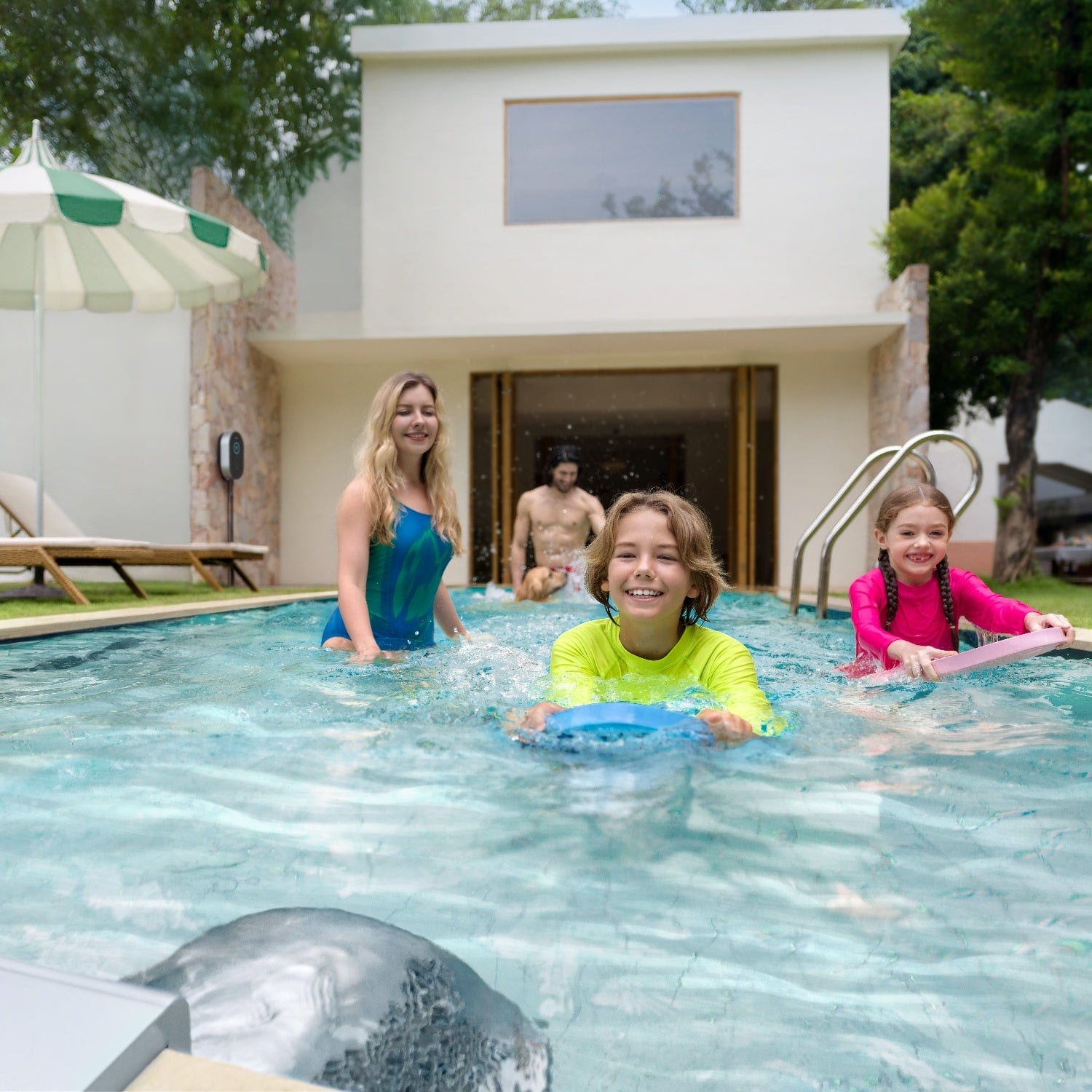
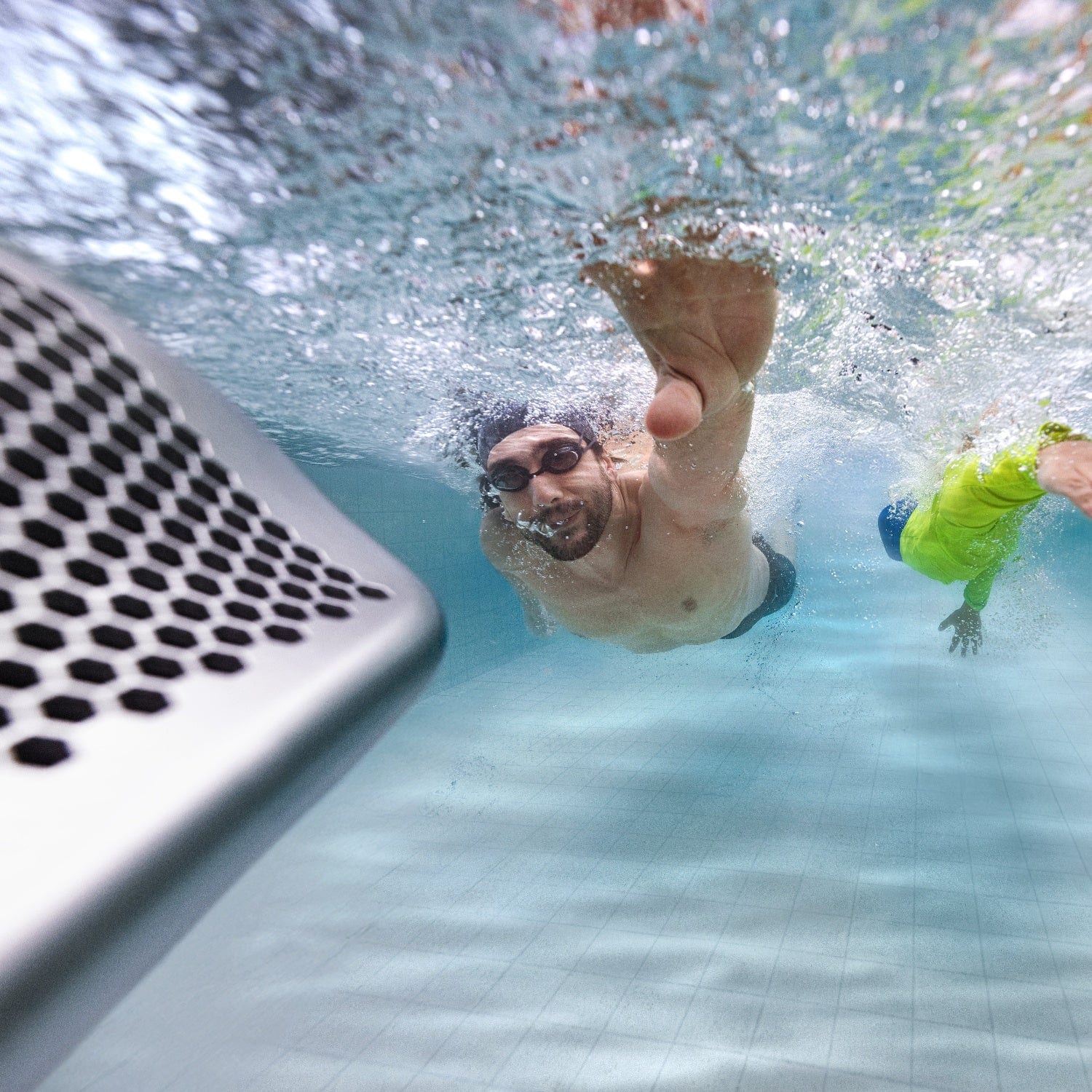
Heating, lighting, shade, automation and a good cleaner can extend use or reduce friction. Swim jets are another option where owners want continuous swimming, exercise or more activity from a compact pool. They range from built-in systems to portable units. See the complete guide to counter-current swimming systems and portable vs built-in swim jets for practical comparisons.
10. Keep records and a simple annual budget
Record water tests, major chemical corrections, equipment replacements, warranties and service visits. Keep a small annual allowance for wear items and unexpected repairs. This helps a homeowner distinguish normal running costs from a system that is quietly becoming inefficient.
Summary
Maximum pool value is a combination of safety, use, comfort, operating cost and equipment life. Fix the basics first. Then spend on upgrades that make the pool easier and more enjoyable to use. That is where value becomes real.
Disclaimer and sources
Disclaimer: This article is general information for Australian readers and is not a substitute for site-specific advice, manufacturer instructions, water testing, legal advice, electrical or plumbing advice, or the rules applying in your state, territory or local government area. Pool chemistry, equipment requirements, safety obligations, prices and regulations can change. Confirm current requirements with the relevant authority and competent professional before acting. External product or service references are examples and are not endorsements.
References
- Royal Life Saving Australia, 2025 drowning release: royallifesaving.com.au
- HealthyWA, Swimming pools and spas: healthywa.health.wa.gov.au
- NSW Health, Healthy swimming pools: health.nsw.gov.au
- Australian Government, Pool pumps: energy.gov.au/households/pool-pumps
- Poolwerx Australia, Locations: poolwerx.com.au/locations
- Swimart Australia: swimart.com.au
- SPASA Australia: spasa.com.au
- Swim Jets Australia, Complete Guide: swimjetsaustralia.com/blog/swim-jets-australia-complete-guide
- Swim Jets Australia, Portable vs Built-In: swimjetsaustralia.com/blog/portable-vs-built-in-swim-jets-australia
Frequently Asked Questions
- What is the most important thing to get right with a pool? +
- Safety and compliance come first. Pool barriers, a working self-closing gate, active supervision and compliance with state and territory rules are the foundation. Everything else depends on these being properly maintained.
- How often should I test my pool water? +
- Test at least weekly and more frequently during heavy-use periods. HealthyWA advises keeping pH between 7.2 and 7.8. Test before adding chemicals, not after, and get professional help if readings keep drifting despite corrections.
- What pool upgrades actually increase how much I use my pool? +
- Heating, lighting, a good automatic cleaner, shade structures and a swim jet are the upgrades most likely to increase regular use. The M Series adds continuous swimming and exercise capability to any pool from 5 m x 3 m.
- Should I choose a franchise or independent pool service? +
- Both can work well. Ask any provider about service scope, test results, chemical charges, call-out terms and evidence of relevant insurance or licensing. SPASA's member directory can help locate qualified service professionals.
- How can a pool cover save money? +
- A cover reduces water loss, heat loss and debris entry. Energy.gov.au includes pool covers among its tips for reducing water loss and heating costs. The best cover is one that is easy enough to use regularly.
- What records should I keep for my pool? +
- Record water test results, major chemical corrections, equipment replacements, warranties and service visits. A simple annual budget for wear items and unexpected repairs helps distinguish normal costs from a system becoming inefficient.
- How does a swim jet increase my pool's value? +
- A swim jet adds year-round exercise and fitness capability, increasing how often the pool is used. The M Series is portable, so you can either leave it as a feature that attracts fitness-conscious buyers or take it with you when you move.
- What is the biggest waste of money with a pool? +
- A pool that sits unused most of the year is the most expensive pool of all. Focus on making the pool safe, comfortable and enjoyable enough that people actually use it, rather than spending on features that look impressive but add nothing to daily life.
- Should I service pool equipment before it fails? +
- Yes. Pumps, chlorinators, heaters, cleaners, valves and seals give warning signs like noise, leaks, pressure changes and error codes. Preventive service is usually less disruptive and cheaper than an emergency breakdown during summer.
- How do I choose the right pump for my pool? +
- Buy the smallest effective pump for your pool and run it efficiently. A 5-star variable-speed pump uses 55% less energy than a 1-star single-speed pump. Review your schedule by season rather than leaving old timer settings unchanged year-round.
Ready to upgrade your pool?
Explore the Swim Jets Australia range or get a tailored recommendation in two questions.