Swim Jets
Swimming Pool Maintenance Essentials for Australian Pool Owners
August 10, 2026 · 8 min read
Quick summary
- Test the water before adding chemicals and keep pH within the range appropriate to your treatment system.
- Maintain circulation, baskets and filters so sanitisation can work effectively.
- Watch equipment for leaks, noise, air, pressure changes and error messages.
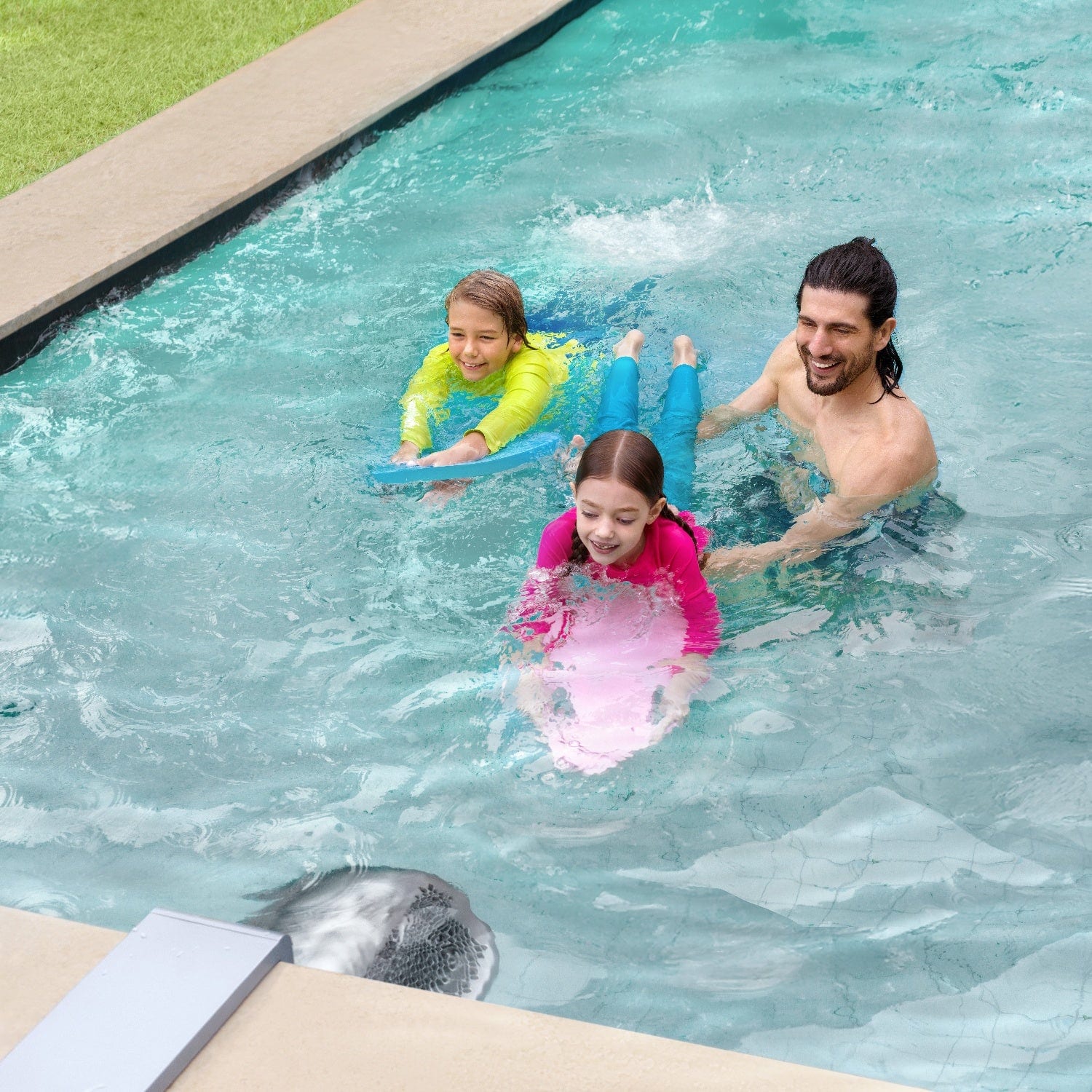
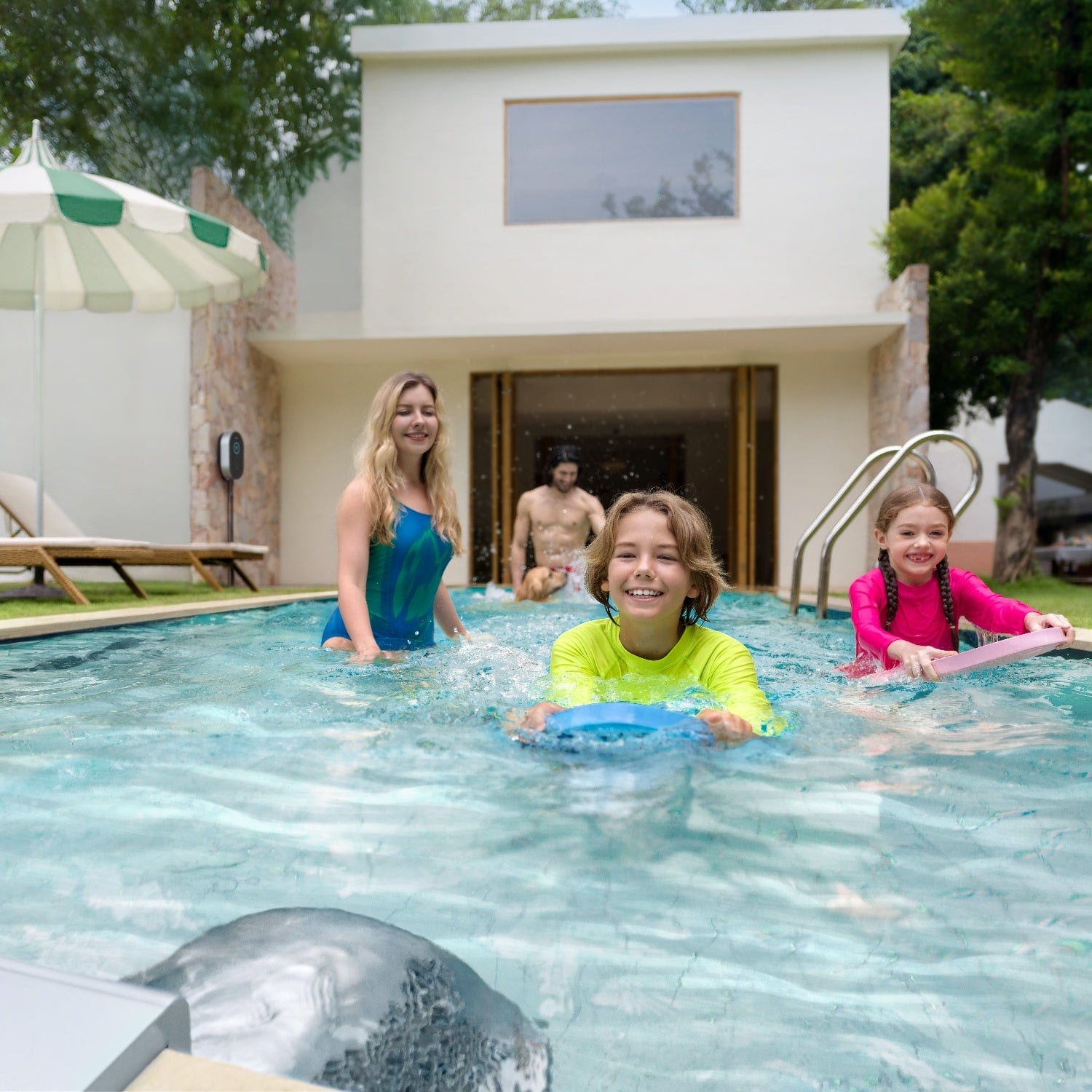
- Maintain the pool for enjoyment. Heating, automation, easier cleaning and swim jets can increase use when they suit the household.
| Frequency | Essential checks | Typical owner focus |
|---|---|---|
| Weekly / heavy-use periods | Water test, debris, circulation, gate | Keep water safe and inviting |
| Monthly | Filter condition, leaks, equipment warnings | Prevent gradual efficiency loss |
| Seasonally | Pump schedule, cover, heating, deeper clean | Match the pool to weather and use |
| Annually | Safety compliance, equipment review, warranties, costs | Plan repairs and upgrades |
A good pool should invite you in. If ownership feels like a permanent chemistry exam, something is wrong with the routine. Most residential pools become easier to manage when maintenance is reduced to a few repeatable essentials: water balance, circulation, cleaning, equipment checks and safety.
1. Test the water before adding chemicals
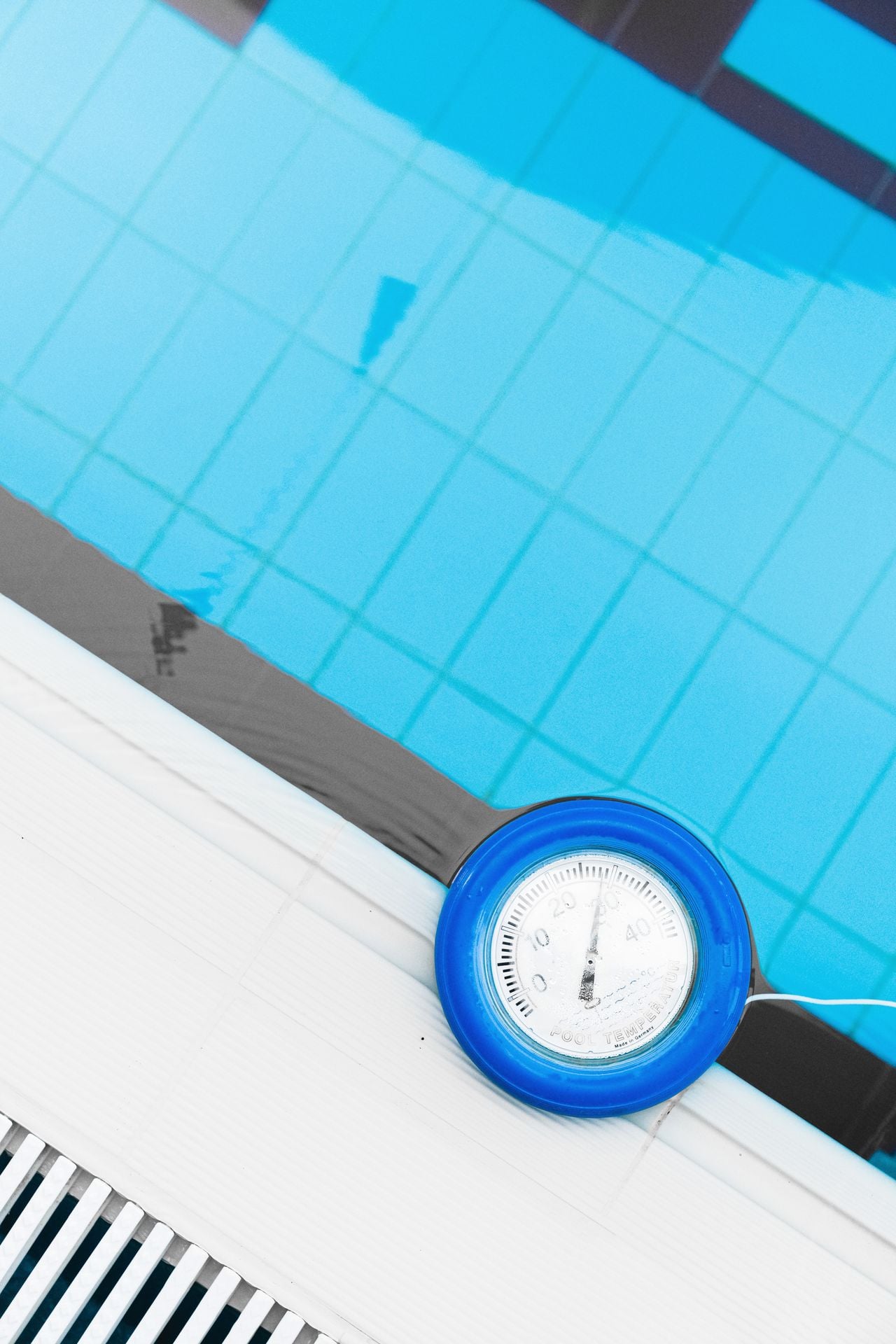
Test first. Dose second. HealthyWA says chlorine works best when pH is between 7.2 and 7.8, with about 7.5 ideal for bathers. Rain, heavy swimming, heat and chemical additions can move the reading. Follow the product label and the requirements of your treatment system. If readings keep drifting, get professional help rather than repeatedly adding more chemicals.
2. Keep sanitisation and filtration working together
NSW Health advises owners to maintain chlorine, pH and other disinfection settings and to keep pool filters properly maintained. A pool can look clear before water chemistry is right. Check circulation, empty baskets and clean or backwash the filter as required by the manufacturer.
3. Remove debris early
Leaves and organic material become a water-quality problem if they are left to break down. Skim the surface, brush problem areas and vacuum or use an automatic cleaner. A robotic cleaner can reduce manual work, but it does not replace water testing or filtration.
4. Watch the equipment pad
Look for leaks, unusual pump noise, air in the system, pressure changes, cracked lids, damaged cables and chlorinator warnings. Small changes are useful clues. Switch equipment off before opening or servicing it, and use licensed trades for regulated electrical or plumbing work.
5. Review pump efficiency and run time
Pool pumps can be a major household energy load. Energy.gov.au says a 5-star variable-speed pump uses 55% less energy than a 1-star single-speed pump. It also recommends choosing the smallest effective pump, keeping filters and skimmer baskets clean and using a pool cover to reduce water loss and heating costs.
6. Treat the pool barrier as maintenance equipment
Check the gate closes and latches every time. Remove climbable objects near barriers and fix damage promptly. Pool fencing requirements vary across Australia, so use the rules for your state, territory and local council. Royal Life Saving continues to urge pool owners to keep fences and gates in good working order.
7. Use a professional when the job is beyond routine care
A good pool owner does not have to do everything. Franchise service networks and independent technicians can both provide regular or occasional support. SPASA's member directory is one place to start. Ask about the service scope, reporting, chemical charges, insurance and whether the provider can help with compliance-related checks.
8. Maintain the pool for enjoyment
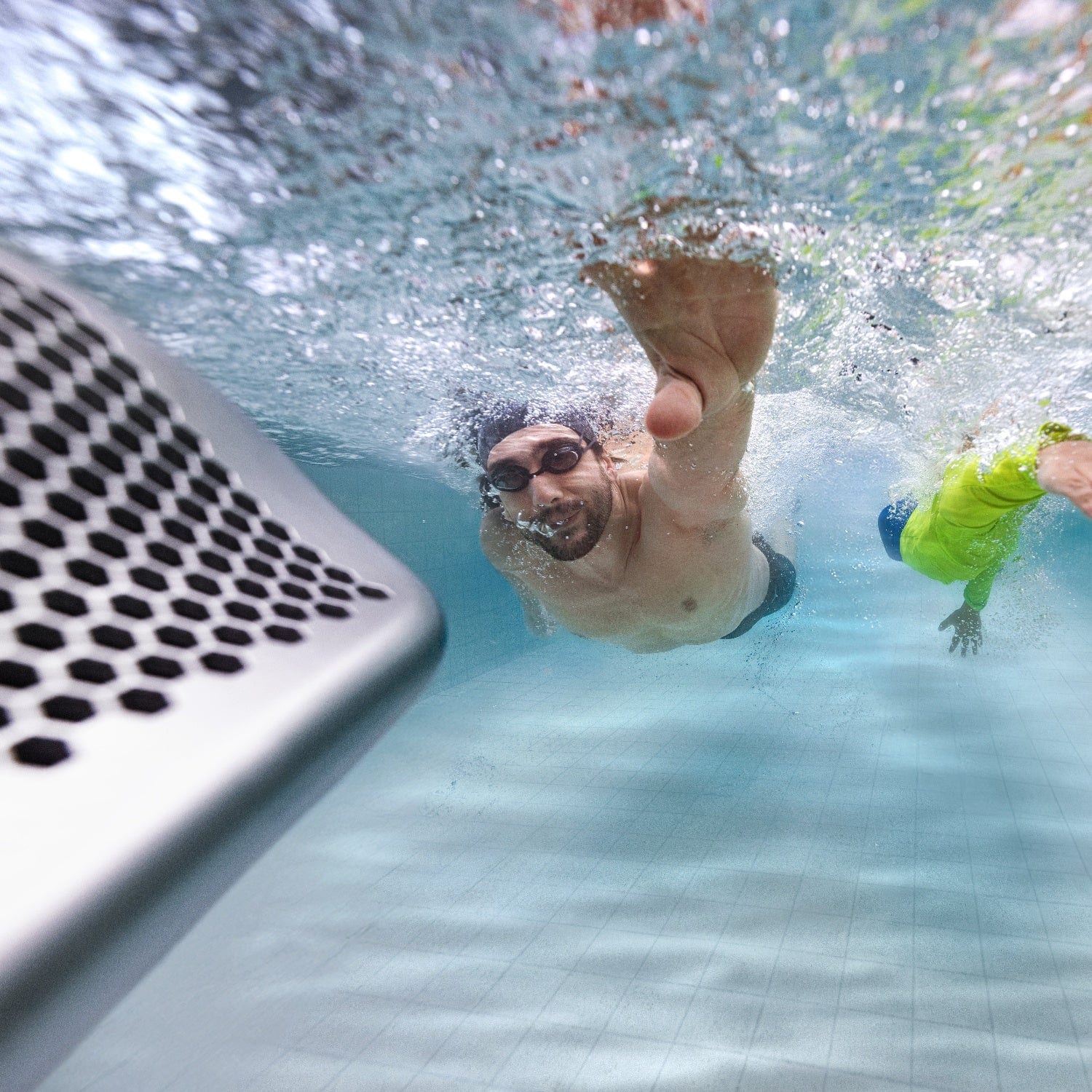
The point of maintenance is to make the pool easy and pleasant to use. Not every pool needs every gadget, but features such as heating, automation, lighting, a better cleaner or a swim jet can extend how often the pool is used and how much value it delivers. A pool that sits unused most of the year is the most expensive pool of all.
For owners interested in adding a training or exercise dimension, see the complete guide to counter-current swimming systems and portable vs built-in swim jets.
Summary
Pool maintenance does not have to be complicated. Test before dosing, maintain circulation, watch equipment, keep the barrier working and get help when needed. The rest is about making the pool worth the investment by ensuring it is safe, comfortable and used.
Disclaimer and sources
Disclaimer: This article is general information for Australian readers and is not a substitute for site-specific advice, manufacturer instructions, water testing, legal advice, electrical or plumbing advice, or the rules applying in your state, territory or local government area. Pool chemistry, equipment requirements, safety obligations, prices and regulations can change. Confirm current requirements with the relevant authority and competent professional before acting. External product or service references are examples and are not endorsements.
References
- HealthyWA, Swimming pools and spas: healthywa.health.wa.gov.au
- NSW Health, Healthy swimming pools: health.nsw.gov.au
- Australian Government, Pool pumps: energy.gov.au/households/pool-pumps
- Royal Life Saving Australia, 2025 drowning release: royallifesaving.com.au
- SPASA Australia: spasa.com.au
Frequently Asked Questions
- What is the most important pool maintenance rule? +
- Test the water before adding chemicals. HealthyWA advises that chlorine works best when pH is between 7.2 and 7.8, with about 7.5 ideal for bathers. Dosing without testing can make water chemistry worse rather than better.
- How often should I clean my pool filter? +
- Clean or backwash as required by the filter manufacturer. A dirty filter makes the whole system work harder, reduces water clarity and can shorten equipment life. Monthly checks are a good baseline, with more frequent attention during heavy use.
- What should I check on my pool equipment pad? +
- Look for leaks, unusual pump noise, air in the system, pressure changes, cracked lids, damaged cables and chlorinator warnings. Small changes are useful clues that can prevent expensive breakdowns if addressed early.
- How much energy does a pool pump use? +
- Pool pumps can be a major household energy load. A 5-star variable-speed pump uses 55% less energy than a 1-star single-speed pump. Choose the smallest effective pump, keep filters clean and review run schedules seasonally.
- Should I hire a pool maintenance professional? +
- It depends on your confidence and available time. DIY works for engaged owners, while others prefer regular professional help. SPASA's member directory can help locate qualified technicians. Ask about service scope, reporting and insurance.
- How should I treat the pool barrier as part of maintenance? +
- Check that the gate closes and latches every time. Remove climbable objects near barriers and fix damage promptly. Pool fencing requirements vary across Australia, so follow the rules for your state, territory and local council.
- Does a swim jet change my pool maintenance routine? +
- Minimally. Keep the intake area clear of debris and follow normal water chemistry guidance. The M Series runs on 12V safe voltage and does not add chemical treatment demands. Standard pool maintenance continues as before.
- What causes pool water chemistry to drift? +
- Rain, heavy swimming, heat, chemical additions and the treatment system itself can move pH and chlorine readings. If readings keep drifting despite corrections, get professional help rather than repeatedly adding more chemicals.
- Can a swim jet help me use my pool more often? +
- Yes. Adding a swim jet turns a pool from a seasonal cooling-off spot into a year-round exercise and fitness tool. The M Series provides continuous swimming and adjustable resistance that encourages regular use.
- What is the best way to reduce debris in my pool? +
- Skim the surface regularly, brush problem areas and use an automatic cleaner. Remove leaves and organic material before they break down, as decomposing debris creates water-quality problems. A pool cover also significantly reduces debris entry.
Ready to upgrade your pool?
Explore the Swim Jets Australia range or get a tailored recommendation in two questions.