Swim Jets
Swim Jets in Australia: The Complete Guide to Counter-Current Swimming Systems (2026)
August 8, 2026 · 12 min read
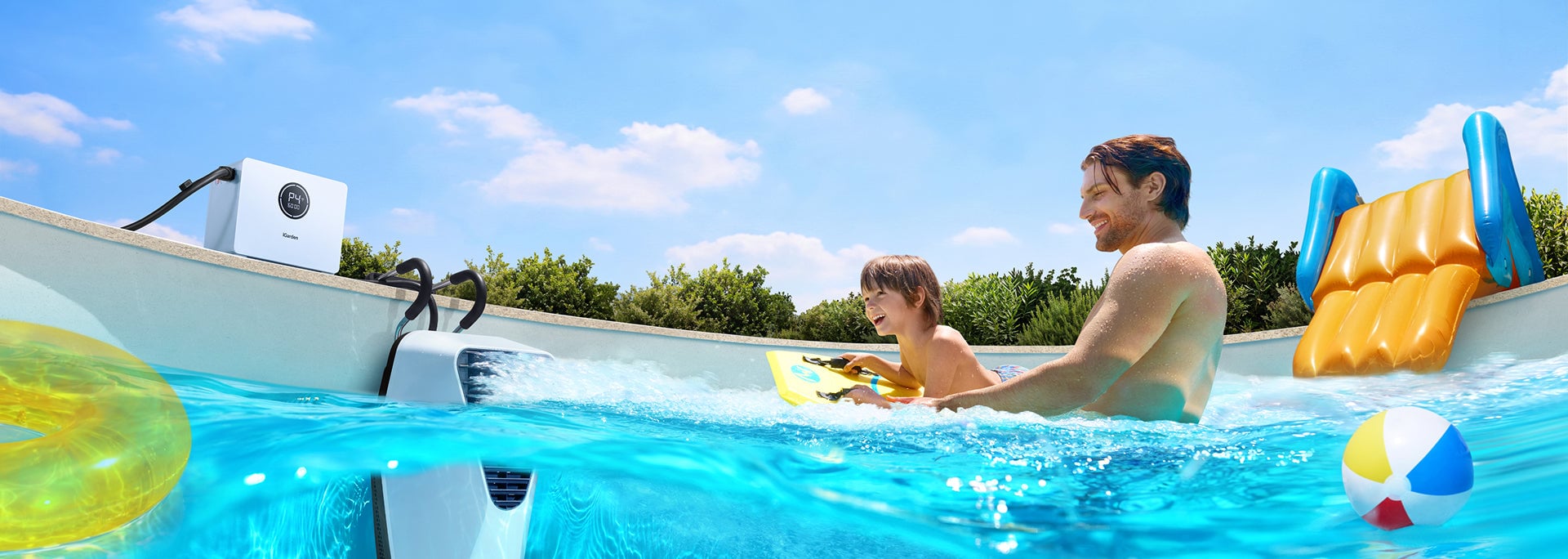
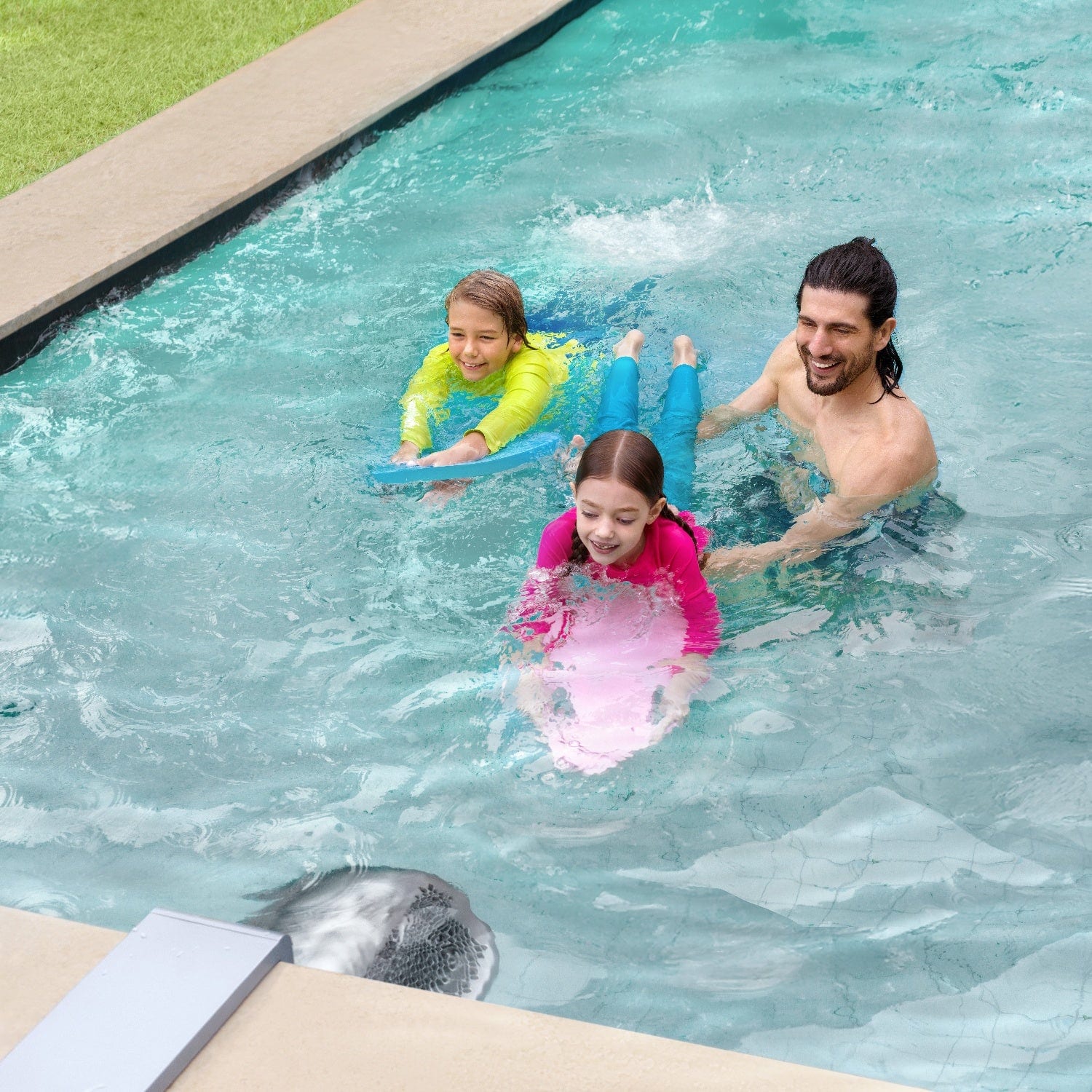
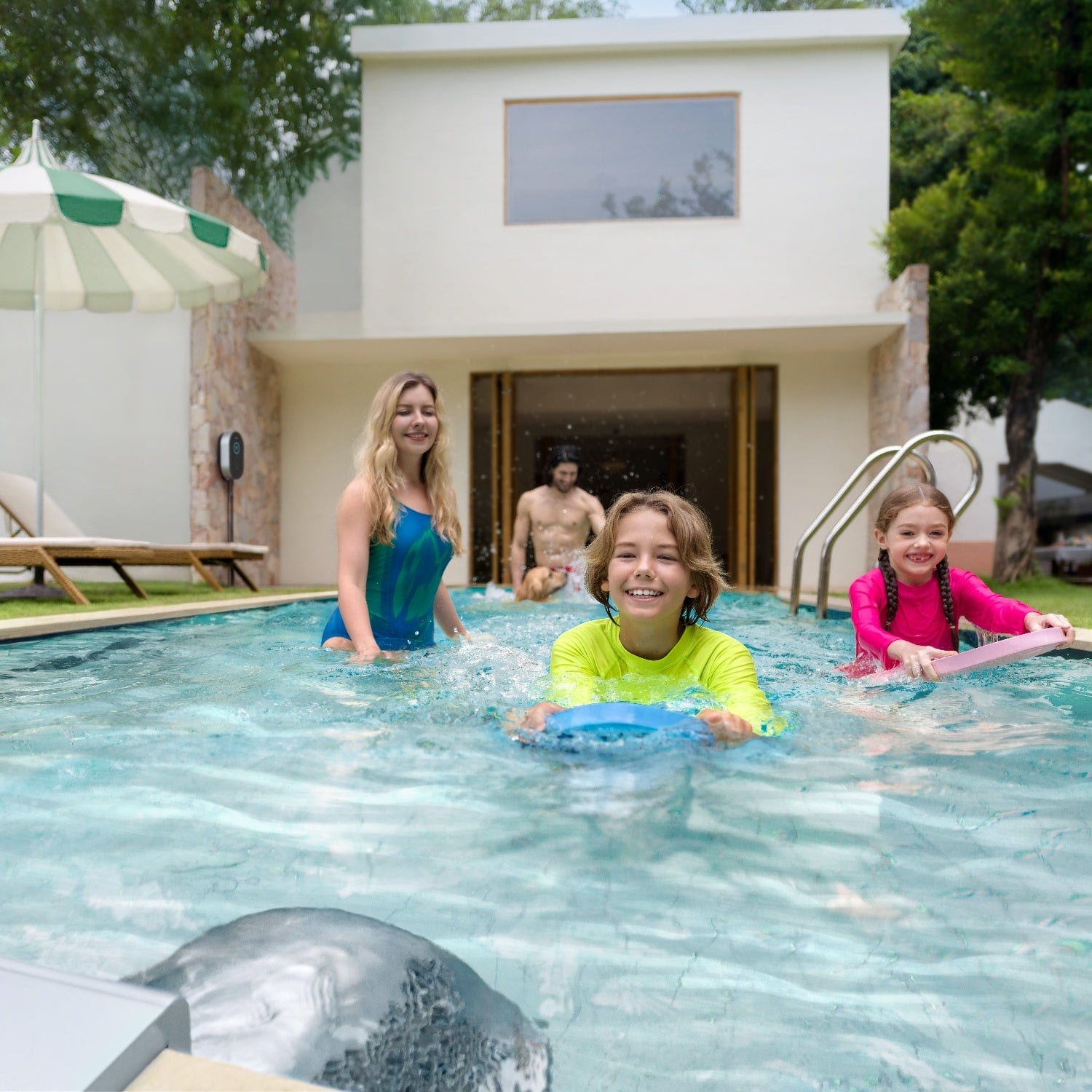
A swim jet turns part of a swimming pool into a continuous swimming lane by producing a strong, directed flow of water against the swimmer. Instead of travelling lap after lap, the swimmer stays broadly in one position while the current provides resistance. For Australian households, builders and renovators, this can make useful swimming possible in a compact pool footprint while also supporting low-impact exercise, technique work and recreational play.
The important distinction is that "swim jet" is a broad market term. Systems vary greatly in water volume, flow width, turbulence, installation method, power demand and control. Comparing only headline motor power can therefore be misleading. A comfortable swimming current is usually defined as much by the shape and quality of the water flow as by its maximum force.
What is a swim jet?
A counter-current swim system draws pool water in and returns it through one or more outlets to create a controllable current. The swimmer faces the flow and adjusts effort or current strength to suit the session. Depending on the design, the equipment may be built into the pool wall, installed during renovation, mounted externally, or supplied as a self-contained portable swim jet that can be positioned without major structural work.
Main types of swim jet systems
Built-in counter-current systems
Built-in systems are planned into the shell, wall or plant configuration of a new pool. Their main advantages are clean integration, permanent plumbing and the ability to coordinate the jet position with pool depth, lane length and surrounding finishes. Their main disadvantage is that later replacement or major alteration can be more involved. Pool builders, architects and designers typically specify these systems at the concept stage to ensure seamless integration.
Retrofit swim jets
Retrofit systems are intended for an existing pool. Some require penetrations, plumbing and electrical work; others use external or over-wall arrangements. The feasibility depends on pool structure, available plant space, electrical supply, access, waterproofing and whether the proposed modification affects barriers or other compliance elements. For a detailed walkthrough of the retrofit process, see the guide to adding a swim jet to an existing pool.
Portable swim jets
Portable swim jets are increasingly relevant where owners want swimming resistance without reconstructing the pool. A portable unit can reduce building work and may suit rental, trial or staged-upgrade situations. "Portable" does not mean installation-free: the user still needs to check positioning, electrical requirements, secure mounting, clearances, safe access and manufacturer instructions. Portable systems are particularly well suited to small, compact and plunge pools.
What makes a good swimming current?
A useful current should be sufficiently wide and even that the swimmer can maintain body position without constantly fighting a narrow blast of water. Key variables include water volume, outlet geometry, velocity, turbulence, adjustability and how quickly the flow decays across the swimming zone. Two systems with similar nominal power may feel very different in the water.
- Wide, coherent flow: generally easier to swim against than a narrow high-speed jet.
- Fine adjustment: useful when different family members or training levels share the pool.
- Stable body position: excessive turbulence can push the swimmer sideways or force constant correction.
- Accessible controls: convenient speed changes improve interval and fitness sessions.
- Appropriate pool depth and clear swimming zone: important for comfort and safe movement.
How much pool space is needed?
One of the main attractions of counter-current swimming is that a long lap pool is not essential. The practical requirement is a clear zone around the swimmer, sufficient depth for the intended strokes, and enough separation from steps, benches and walls. A designer should consider the swimmer's full arm span, kick path and the possibility of drift under harder efforts.
New pool or existing pool?
For a new pool, the best outcome normally comes from planning the swim system at concept stage. That allows the builder to coordinate hydraulics, electrical loads, equipment access, waterproofing, finishes and the position of steps or seating. For an existing pool, owners should first determine whether they want a structural retrofit or a lower-disruption portable or externally mounted solution.
Energy use and operating cost
A swim jet is not the same appliance as the filtration pump, but the same energy principle applies: running cost depends on input power, efficiency and hours of use. Australian Government guidance encourages consumers to consider efficient pool equipment and operating practices rather than focusing only on purchase price.[1][2] For a swim jet, ask for rated electrical input, expected duty cycle, variable-speed behaviour and any standby consumption.
A simple estimate is: input power in kilowatts × hours used × electricity tariff. This is only a planning calculation; actual consumption depends on the system and how intensively it is run.
Electrical and installation considerations in Australia
Pool environments combine water and electrical equipment, so electrical work should be carried out by appropriately licensed trades and in accordance with applicable Australian requirements. The National Construction Code and relevant Australian Standards may affect the broader pool environment, while state and territory rules govern matters such as barriers and owner obligations.[4][5][6] Always obtain project-specific advice rather than assuming a product approval alone makes a complete installation compliant.
Pool safety and user behaviour
A swim jet adds moving water and can change how people interact with the pool. Users should understand emergency stop procedures, supervise children, keep the intake area clear, follow manufacturer guidance and avoid treating the current as a substitute for normal pool safety. In NSW, for example, pool owners have specific obligations around barriers and safety; other jurisdictions have their own requirements.[6]
Swimming, training and fitness
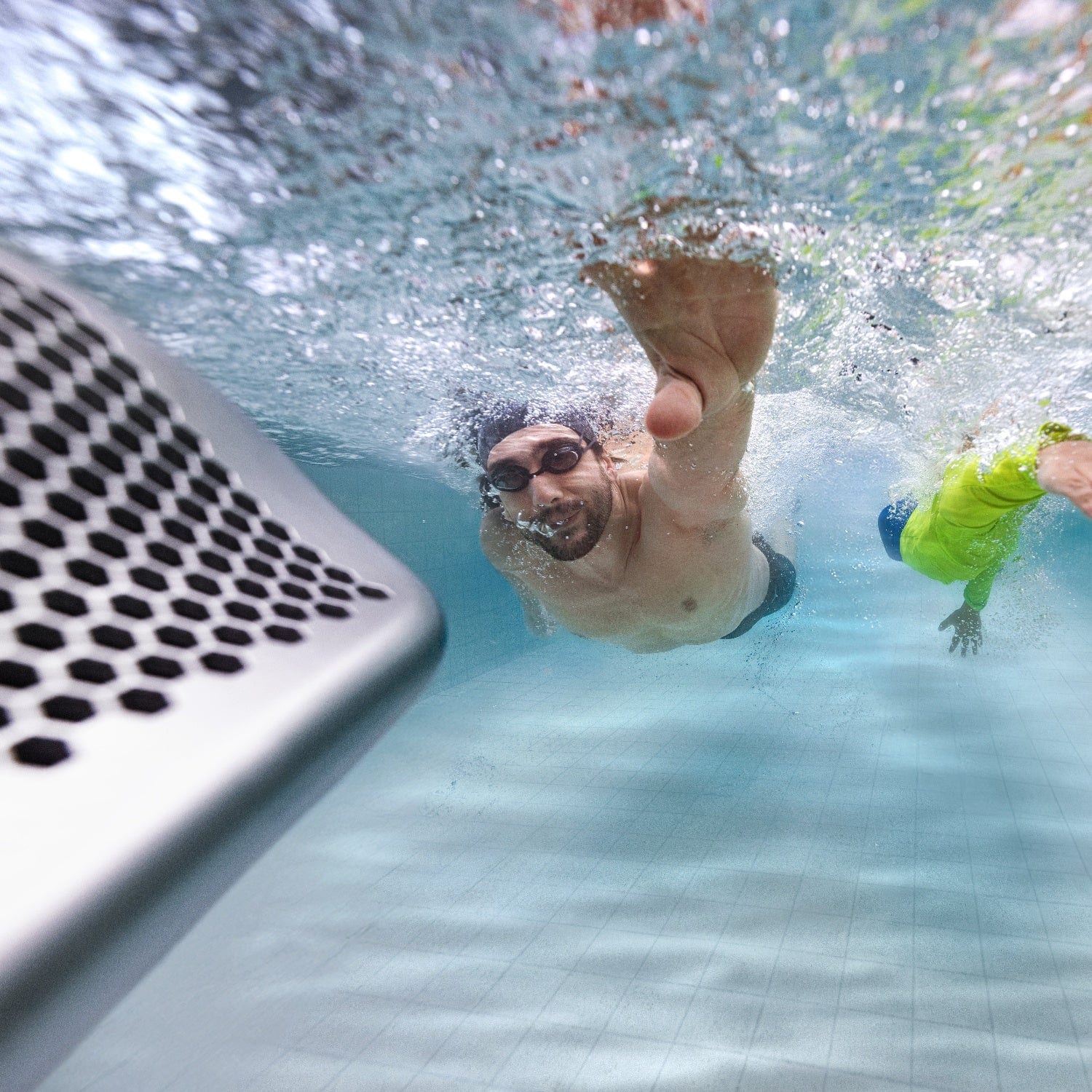
Counter-current swimming can support steady aerobic work, intervals, stroke drills, recovery sessions and low-impact exercise. Australian health guidance encourages regular physical activity across adulthood, and aquatic exercise can be one practical way to contribute to that broader target.[3] A swim jet should be treated as exercise equipment rather than a medical device unless a qualified professional has advised otherwise. For swimmers focused on technique and conditioning, see the guide to swim jets for swimming, training and home fitness.
Maintenance and ownership
Maintenance requirements vary by design, but owners should expect to keep intake areas clear, follow water chemistry guidance, inspect mounting points and seals, and provide access for service. Built-in systems should be designed so major components can be reached without destructive work. Portable systems should be checked regularly for secure positioning and cable or connection condition.
Buying checklist
- Ask how the manufacturer describes flow width, volume and adjustability: not only motor power.
- Confirm whether the unit is intended for new-build, retrofit or portable use.
- Check electrical supply and licensed-installation requirements.
- Confirm service access, warranty terms and availability of parts in Australia.
- Ask for minimum pool dimensions, water depth and required clearances.
- Check how the system is controlled from the water and whether an emergency stop is provided.
- Compare realistic operating cost using rated input power and expected weekly use.
- For portable swim jets, confirm how the unit is secured and whether it can be removed without pool modification.
Frequently asked questions
Can a swim jet be added to an existing pool?
Often yes. The best solution depends on the pool structure and how much building work is acceptable. Structural retrofits may involve penetrations and plumbing, while portable swim jets can offer a lower-disruption alternative. The retrofit guide covers the full process.
Is a swim jet the same as a spa jet?
No. A spa jet is normally intended for localised hydrotherapy or massage. A swim jet is designed to create a sustained current strong and broad enough for swimming or resistance exercise.
Do I need a long pool?
No. The swimmer remains largely stationary, which is why counter-current systems are frequently considered for compact and plunge pools. The swimming zone still needs adequate width, depth and clearance.
Are portable swim jets suitable for serious swimming?
Some are designed for genuine swim training, while others are better suited to light exercise. Judge the flow quality, adjustment range and installation stability rather than the word "portable" alone.
Conclusion
For Australian buyers, the best swim jet is not automatically the highest-powered system. The better question is whether the current is comfortable and controllable, the installation suits the pool, the electrical and safety requirements are properly addressed, and the equipment can be serviced locally. Built-in, retrofit and portable swim jets each have a place; the right format depends on the pool and the owner's priorities.
References and authoritative sources
- Australian Government Department of Climate Change, Energy, the Environment and Water, swimming pool pump energy guidance: https://www.energy.gov.au/households/pools-spas
- Australian Government Energy Rating, pool pumps: https://www.energyrating.gov.au/consumer-information/products/pool-pumps
- Australian Government Department of Health and Aged Care, physical activity and exercise guidance: https://www.health.gov.au/topics/physical-activity-and-exercise
- Standards Australia, standards and consumer safety information: https://www.standards.org.au/
- Australian Building Codes Board, National Construction Code: https://ncc.abcb.gov.au/
- NSW Government, swimming pool safety and owner responsibilities: https://www.nsw.gov.au/housing-and-construction/swimming-pools-and-spas
- SPASA Australia, swimming pool and spa industry information: https://www.spasa.com.au/
Frequently Asked Questions
- What is a counter-current swim jet system? +
- A counter-current swim jet draws pool water in and returns it through an outlet to create a controllable current. The swimmer faces the flow and adjusts effort or current strength to suit the session, allowing continuous swimming without travelling lap after lap.
- What types of swim jet systems are available in Australia? +
- There are three main types: built-in systems planned into a new pool, retrofit systems added to an existing pool, and portable swim jets that can be positioned without major structural work. The M Series is a portable plug-and-play option.
- How much space do I need for a swim jet? +
- The M Series requires a minimum pool size of 5 m x 3 m. You need a clear zone around the swimmer with sufficient depth for the intended strokes and enough separation from steps, benches and walls.
- How much does it cost to run a swim jet? +
- Running cost depends on input power and hours of use. The M180 draws 0.8 kW and the M230 draws 1.2 kW. Multiply the input power by session hours and your electricity tariff for a basic cost estimate. Most sessions cost only cents per hour.
- Is a swim jet safe around children? +
- Normal pool safety rules apply. Users should understand the emergency stop procedure, supervise children at all times, keep the intake area clear and follow manufacturer guidance. The M Series operates on safe 12V extra-low voltage.
- What should I look for when buying a swim jet in Australia? +
- Ask about flow width, volume and adjustability rather than motor power alone. Confirm minimum pool dimensions, electrical requirements, how the system is controlled from the water, warranty terms and availability of parts and service in Australia.
- Can a swim jet support proper swim training? +
- Yes. Counter-current swimming supports steady aerobic work, intervals, stroke drills and recovery sessions. The M230 delivers up to 4.0 m/s, which provides a challenging current for serious fitness swimming.
- What warranty does the M Series carry? +
- The M Series comes with a 2-year warranty. Check the specific warranty terms and conditions at the time of purchase, including what is covered and any maintenance requirements.
- Do I need an electrician to install the M Series? +
- No. The M Series is a plug-and-play system that runs on 12V safe voltage and sets up in about 10 minutes. No electrician, plumber or structural modification is required.
- What maintenance does a swim jet need? +
- Keep the intake area clear of debris, follow normal pool water chemistry guidance, and inspect the mounting and connections regularly. The M Series is designed for straightforward maintenance without specialist tools.
Ready to upgrade your pool?
Explore the Swim Jets Australia range or get a tailored recommendation in two questions.