Swim Jets
Adding a Swim Jet to an Existing Pool in Australia: Retrofit Guide (2026)
August 8, 2026 · 10 min read
Adding a swim jet can transform an existing backyard pool from a place mainly used for cooling off into a compact swimming and fitness space. The key decision is not simply which model to buy, but how much alteration the existing pool can sensibly accept. In Australia, owners should consider structure, waterproofing, electrical supply, access, pool barriers, serviceability and the disruption involved before choosing a retrofit method.
Can Most Existing Pools Accept a Swim Jet?
Many can, but there is no universal answer. Concrete, fibreglass and vinyl-lined pools have different structural and waterproofing constraints. The pool's age and condition also matter. A builder or installer should establish whether penetrations are practical, where equipment can be located and whether the proposed system creates unacceptable stress or service difficulties.
Three Retrofit Pathways
1. Structural Built-In Retrofit
This approach modifies the existing pool to accommodate dedicated inlets, outlets and equipment. It can create the most integrated appearance, but it is also the most disruptive. It may involve draining the pool, cutting or coring the shell, waterproofing, plumbing, electrical work and refinishing the affected area.
2. External or Over-Wall Retrofit
Some systems minimise shell work by placing more equipment outside the pool or over the edge. This can reduce construction but may have visual, access or deck-layout implications. Owners should confirm secure mounting, safe electrical routing and the effect on covers, barriers and normal pool circulation.
3. Portable Swim Jet
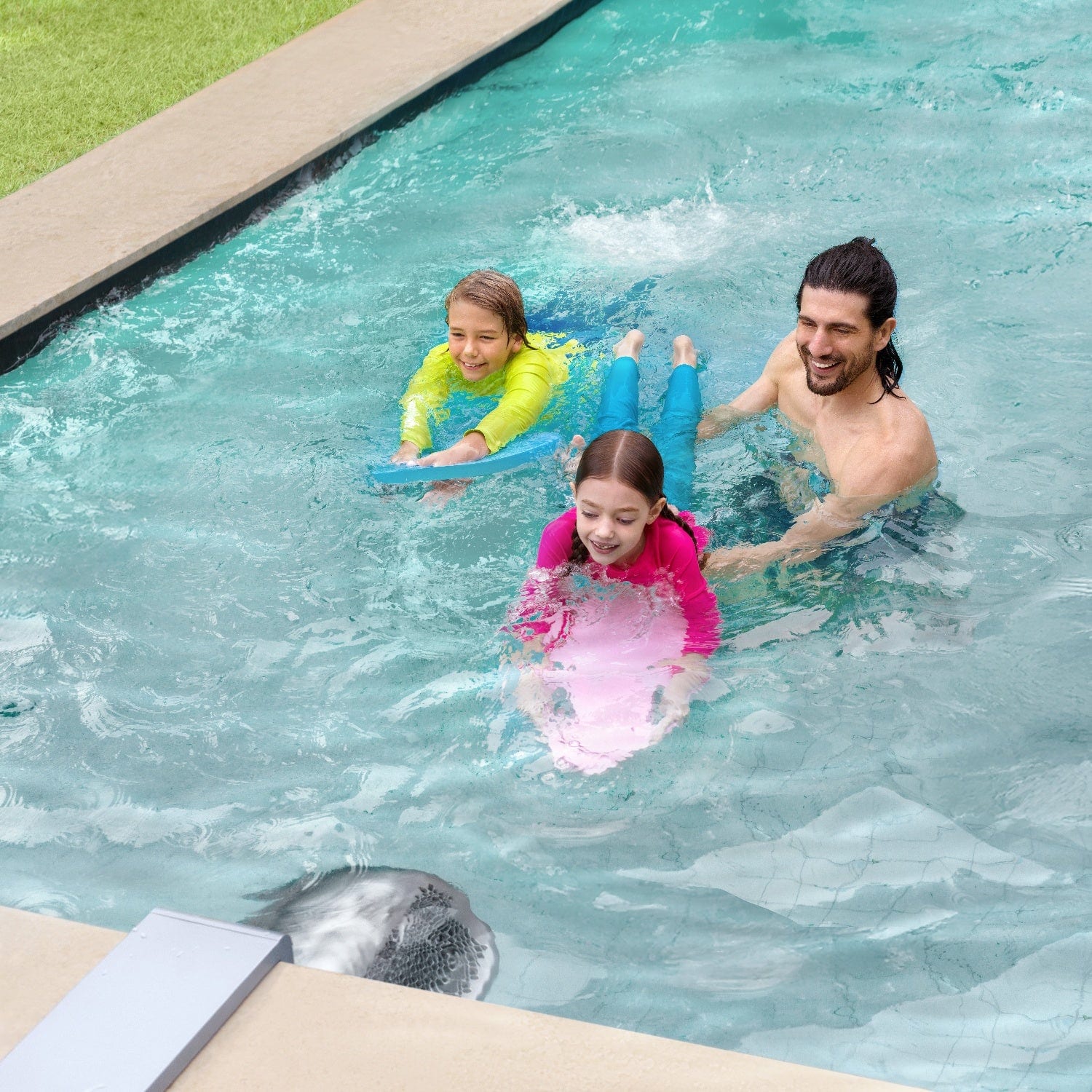
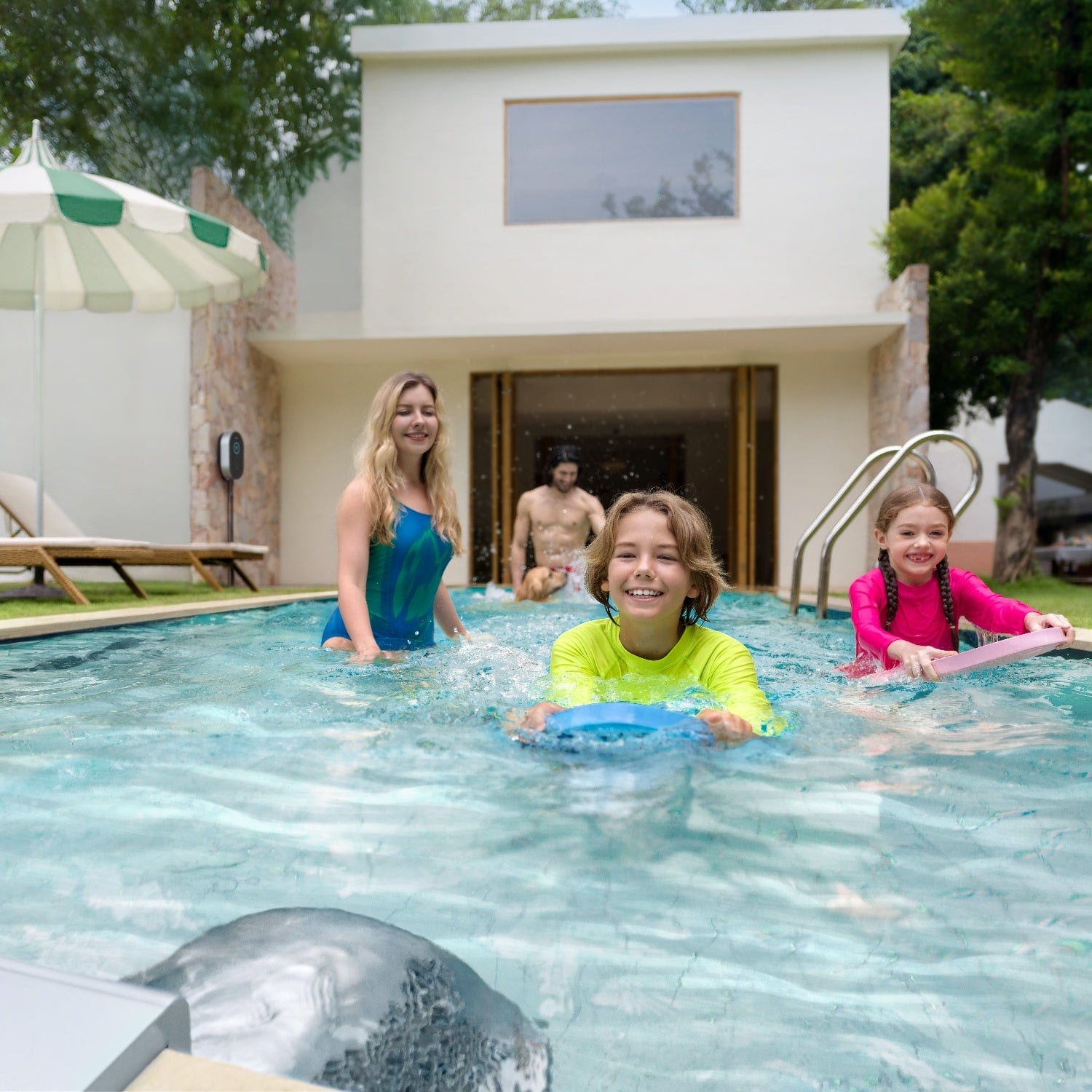
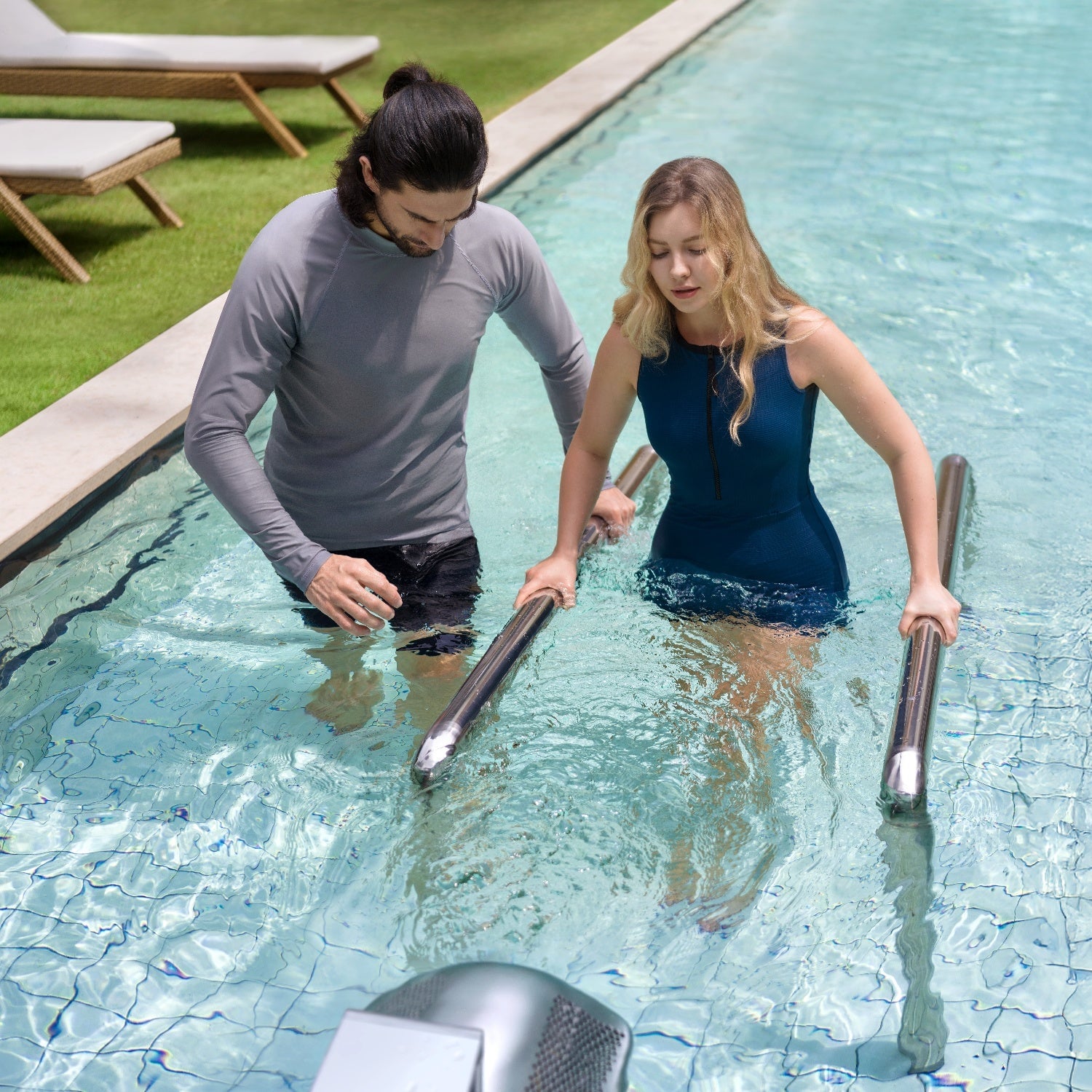
A portable swim jet can be the least invasive option because it is designed to create a counter-current without a full structural installation. This is particularly attractive when the owner wants to preserve an existing pool finish, test demand before major renovation or retain the ability to remove or reposition the unit. Portable systems still need proper electrical provision, secure installation and adequate swimming clearance.
Step 1: Define What You Want the System to Do
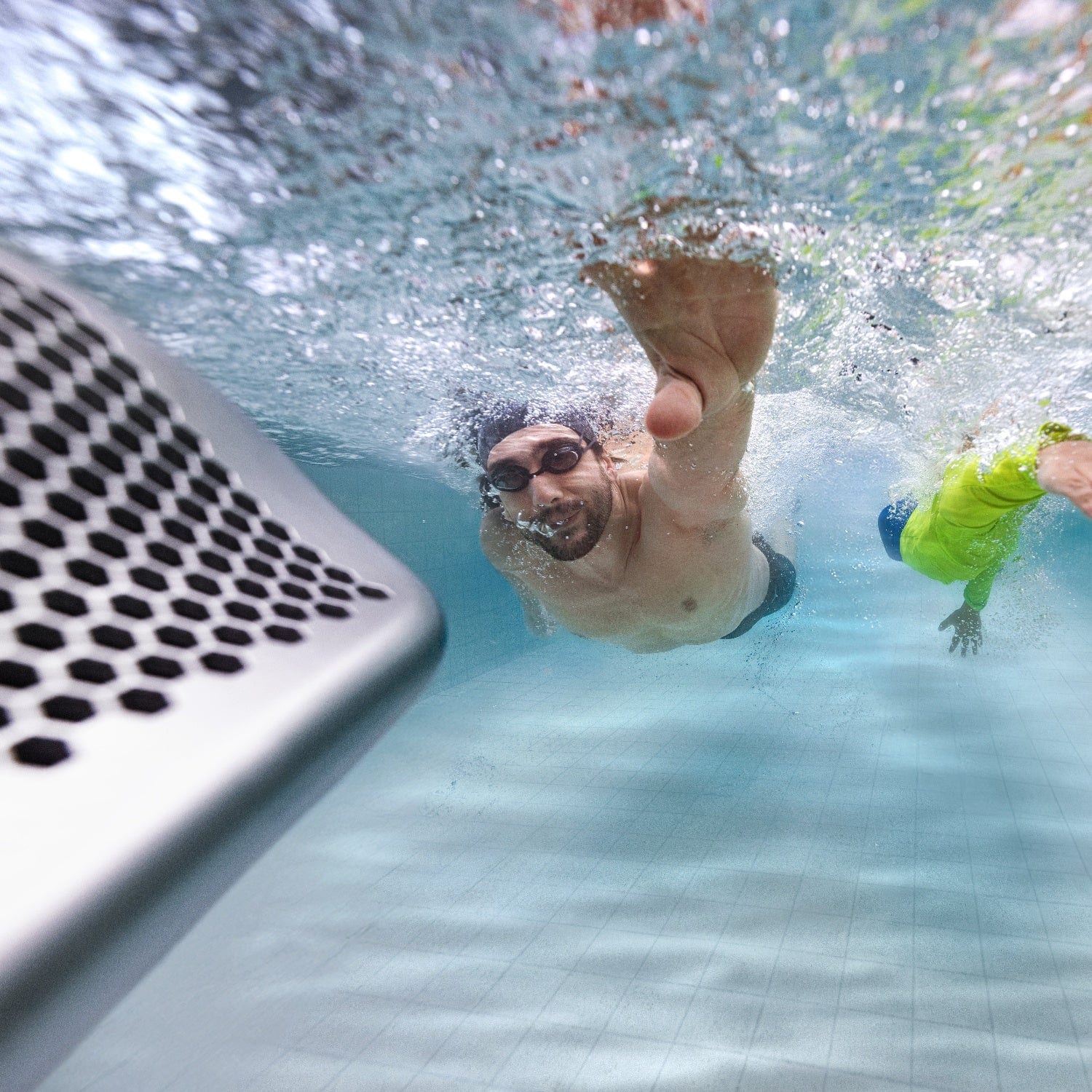
A family seeking casual exercise has different needs from a strong swimmer training intervals. Before requesting quotes, define the expected users, stroke types, session duration and desired resistance. This prevents overbuying on motor size while underbuying on current quality. For more on matching swim jet performance to fitness goals, see the guide on swim jets for swimming, training and home fitness.
Step 2: Inspect the Pool Structure and Finish
Check for cracking, movement, ageing finishes, previous repairs and waterproofing issues. Structural work should not be planned around a failing substrate. Fibreglass shells may need manufacturer-specific advice; vinyl-lined pools require careful treatment of penetrations; concrete pools offer flexibility but still require sound waterproofing and engineering judgement where appropriate.
Step 3: Check the Swimming Zone
The swimmer needs a clear path away from the current. Steps, ledges, tanning shelves, ladders and tight corners can interfere with body position. The outlet should be located so the swimmer is not driven toward a hazard and so the current is not immediately disrupted by nearby geometry.
Pool dimensions matter significantly here. If you are working with a compact pool, the guide on swim jets for small, compact and plunge pools covers the clearance and placement considerations in detail.
Step 4: Check Electrical Capacity
Swim jets can place a meaningful additional electrical load on a residential property. A licensed electrician should confirm supply, protection, isolation and the proposed equipment location. Pool electrical environments are safety-critical, so the installation should be assessed against applicable Australian requirements rather than treated as a normal plug-in appliance.
Step 5: Plan Equipment and Service Access
A retrofit that looks neat on day one can become expensive if pumps, controls or seals cannot later be reached. Ask where every serviceable component will sit and how it will be removed. Avoid burying critical equipment behind finishes that require demolition for routine repair.
Step 6: Consider Pool Barriers and Compliance
Any new equipment, platform, enclosure or external structure near the pool should be considered in the context of the existing safety barrier. State and territory rules differ. NSW Government guidance, for example, sets out owner responsibilities for swimming pool safety.[6] The National Construction Code and relevant standards also form part of the broader regulatory framework.[4][5]
Pool builders and designers specifying swim jets for new or renovated pools can find additional compliance and integration guidance in the swim jet guide for pool builders, architects and designers.
How Much Disruption Should You Expect?
A structural retrofit can involve pool downtime, water disposal/refill, cutting, plumbing, electrical work and finish repair. External and portable swim jets can significantly reduce this disruption. Owners should compare the total installed project, not only the equipment price, because reinstatement and trade coordination can materially change the economics.
Operating Cost
Operating cost depends on input power, session length and electricity tariff. Australian Government energy guidance for pool equipment reinforces the value of efficient equipment and sensible operating practices.[1][2] Ask the supplier for rated electrical input and estimate cost from the number of hours the swim jet will actually run each week.
Portable Swim Jets: When They Make Particular Sense
- The pool finish is in good condition and the owner wants to avoid cutting the shell.
- The owner wants a faster or reversible installation.
- The property may be sold or the system moved later.
- The pool is compact and the owner wants to test whether counter-current swimming is genuinely useful.
- A major pool renovation is planned later, so a permanent built-in system can be deferred.
Questions to Ask an Installer
- What pool types has this exact system been fitted to?
- What structural alterations are required?
- Who is responsible for waterproofing and finish reinstatement?
- What electrical supply is required?
- How is the unit isolated and stopped from the pool?
- Can major components be serviced without draining or demolishing finishes?
- What parts and technical support are stocked in Australia?
- For portable systems, how is the unit restrained and what clearances are required?
Retrofit Checklist Before Ordering
- Pool structure and finish inspected.
- Swimming zone measured and hazards identified.
- Electrical capacity checked.
- Plant/equipment location confirmed.
- Barrier implications considered.
- Installation responsibility clearly allocated between trades.
- Warranty conditions reviewed for both product and installation.
- Expected operating cost calculated.
- Service access demonstrated.
Frequently Asked Questions
Will I have to drain the pool?
For a structural retrofit, often yes for at least part of the work. Some external or portable systems can reduce or avoid extensive draining, depending on their design.
Can a swim jet damage an old pool?
Poorly planned structural modification can create problems in any ageing pool. That is why the shell and finish should be assessed before cutting or loading it. A non-invasive portable solution may sometimes be the more conservative choice.
Does a portable swim jet need an electrician?
Do not assume "portable" means ordinary household electrical installation. Follow the manufacturer's requirements and obtain licensed electrical advice for the pool environment.
Conclusion
Retrofitting a swim jet is often practical, but the best solution is the one that respects the existing pool. Structural integration can deliver a clean permanent result; external and portable swim jets can reduce construction risk and disruption. Compare the complete installation, safety and serviceability, not just the purchase price.
For a broader overview of swim jet types, performance, costs and Australian considerations, see the complete guide to swim jets in Australia.
References and Authoritative Sources
- Australian Government Department of Climate Change, Energy, the Environment and Water - swimming pool pump energy guidance: https://www.energy.gov.au/households/pools-spas
- Australian Government Energy Rating - pool pumps: https://www.energyrating.gov.au/consumer-information/products/pool-pumps
- Australian Government Department of Health and Aged Care - physical activity and exercise guidance: https://www.health.gov.au/topics/physical-activity-and-exercise
- Standards Australia - standards and consumer safety information: https://www.standards.org.au/
- Australian Building Codes Board - National Construction Code: https://ncc.abcb.gov.au/
- NSW Government - swimming pool safety and owner responsibilities: https://www.nsw.gov.au/housing-and-construction/swimming-pools-and-spas
- SPASA Australia - swimming pool and spa industry information: https://www.spasa.com.au/
Frequently Asked Questions
- Can I add a swim jet to my existing pool? +
- In most cases, yes. The M Series is designed for existing in-ground pools from 5 m x 3 m. It is a plug-and-play system that does not require cutting the pool shell, plumbing modifications or permanent electrical work.
- Do I need to drain my pool to install a swim jet? +
- Not for the M Series. Because it is a portable plug-and-play unit, it mounts at the pool edge without any structural work. There is no need to drain, cut or plumb the pool.
- Will adding a swim jet damage my pool finish? +
- The M Series does not require penetrations or cutting into the pool shell. This makes it suitable for pools with a good existing finish, including tiled, pebblecrete and fibreglass surfaces, without risking damage.
- What pool types are compatible with the M Series? +
- The M Series is designed for in-ground pools meeting the minimum 5 m x 3 m dimensions. Concrete, fibreglass and other common pool types can be compatible. Check the mounting requirements for your specific pool edge configuration.
- How long does a retrofit swim jet installation take? +
- The M Series sets up in around 10 minutes with no tools required for basic installation. Compare this with a structural built-in retrofit, which can involve weeks of work including draining, cutting, plumbing and refinishing.
- Should I inspect my pool before adding a swim jet? +
- Yes. Check for cracking, movement, ageing finishes, previous repairs and waterproofing issues. Ensure the swimming zone is clear of steps, ledges and obstacles that could interfere with body position during swimming.
- Can I remove the swim jet later without leaving marks? +
- Yes. The M Series is designed to be installed and removed without permanent modification to the pool. This makes it suitable for renters with permission, staged upgrades, or anyone who might move house.
- What electrical supply do I need for the M Series? +
- The M Series runs on safe 12V power and is designed for plug-and-play operation. You do not need a dedicated circuit, licensed electrician or any permanent electrical modifications to your property.
- Will a swim jet affect my pool fence compliance? +
- Adding equipment near a pool should be considered in the context of your existing safety barrier. The M Series has a low profile, but always check that no new structure creates a climbable object near the barrier. State and territory rules differ.
- Is a portable swim jet suitable for serious swimming? +
- Yes. The M230 delivers 230 m³/h flow at up to 4.0 m/s, which provides genuine training-level resistance. Judge flow quality, adjustment range and installation stability rather than dismissing a system because it is described as portable.
Ready to upgrade your pool?
Explore the Swim Jets Australia range or get a tailored recommendation in two questions.