Swim Jets
Swim Jets for Swimming, Training & Home Fitness in Australia (2026)
August 8, 2026 · 9 min read
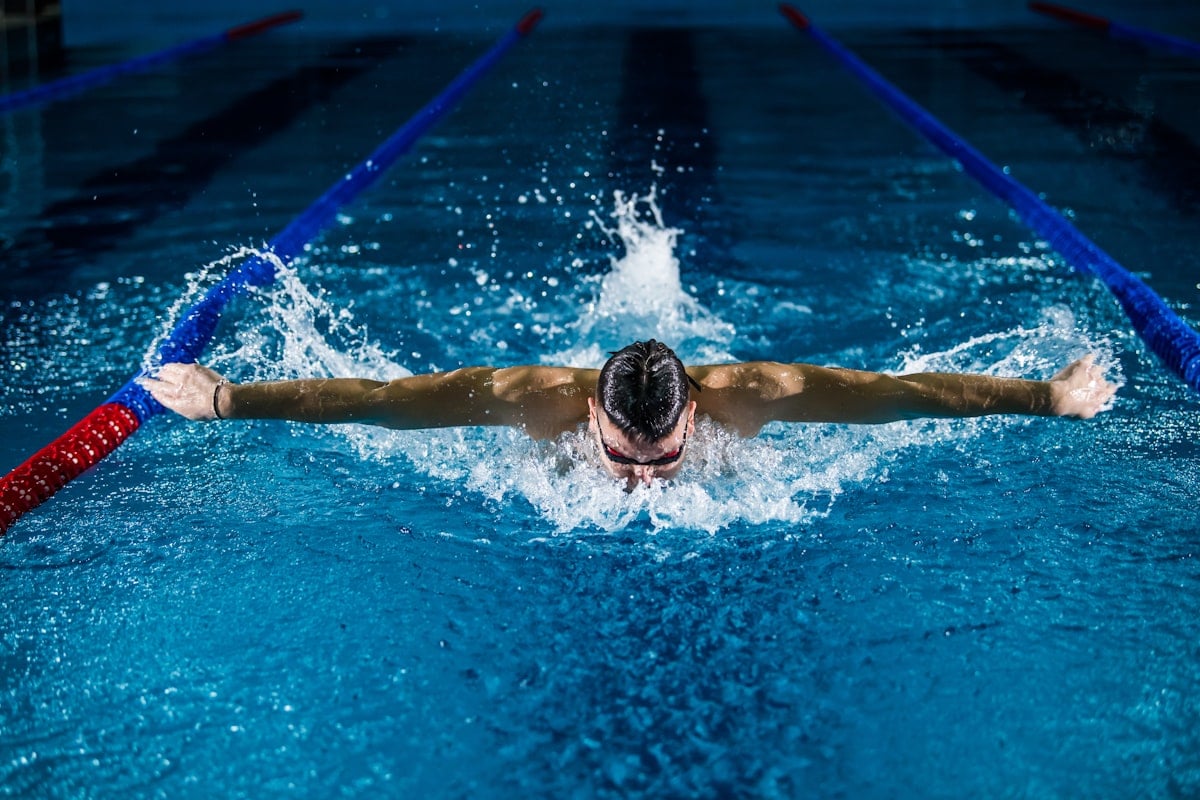
A swim jet can make a small residential pool function more like a continuous training lane. The swimmer faces an adjustable current, allowing steady swimming or interval work without repeated turns. For Australians who want convenient exercise at home, this can be attractive where a full-length lap pool is impractical. The quality of the training experience, however, depends on current shape, adjustability, pool geometry and how closely the equipment matches the swimmer's ability.
Why counter-current swimming is different from lap swimming
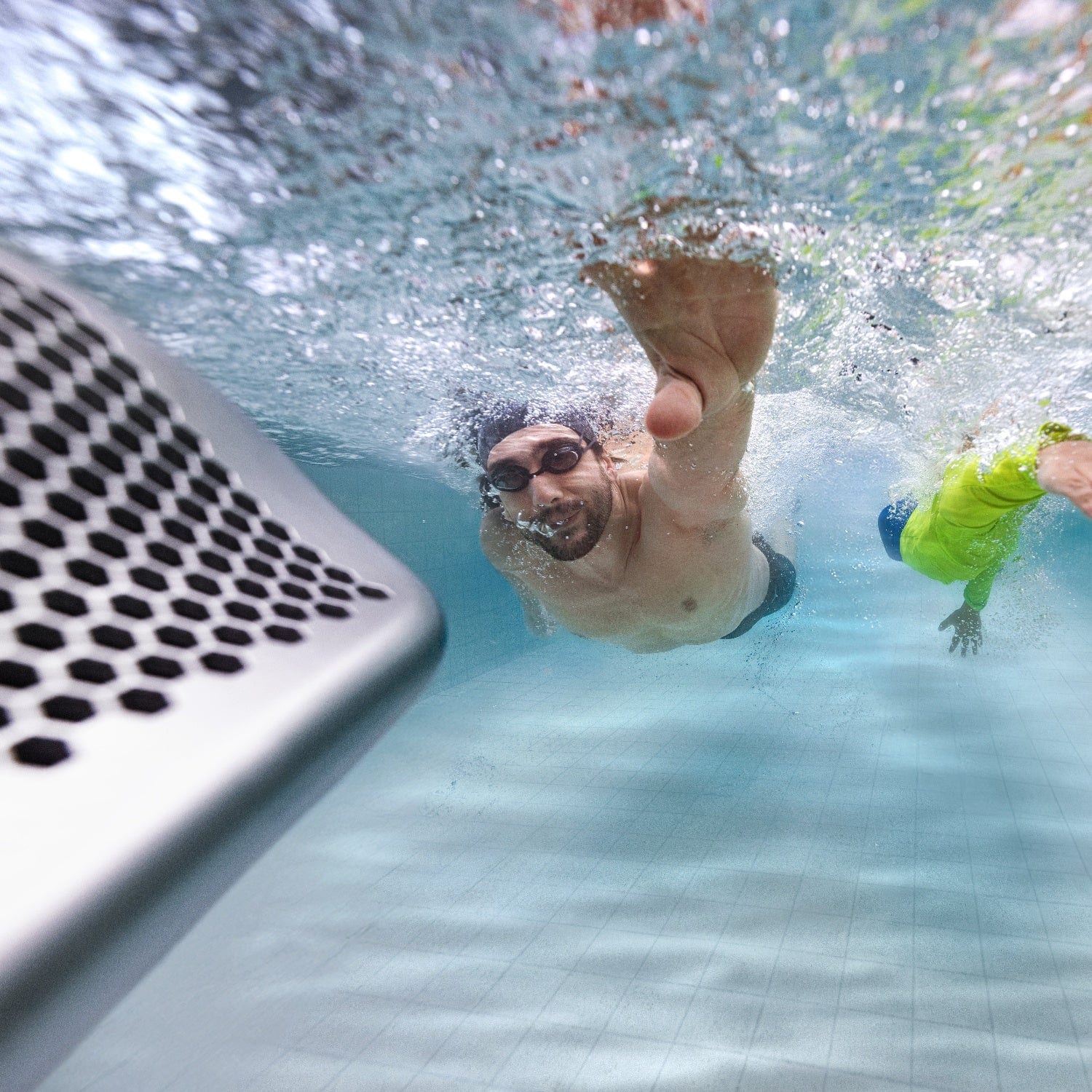
In a conventional pool, pace is measured by distance and turns. With a swim jet, the swimmer is almost stationary, so intensity is controlled through current strength and time. That makes sessions easy to structure around work intervals, recovery periods and technique drills. It also removes the interruption of frequent turns in a short pool.
Who can use a swim jet?
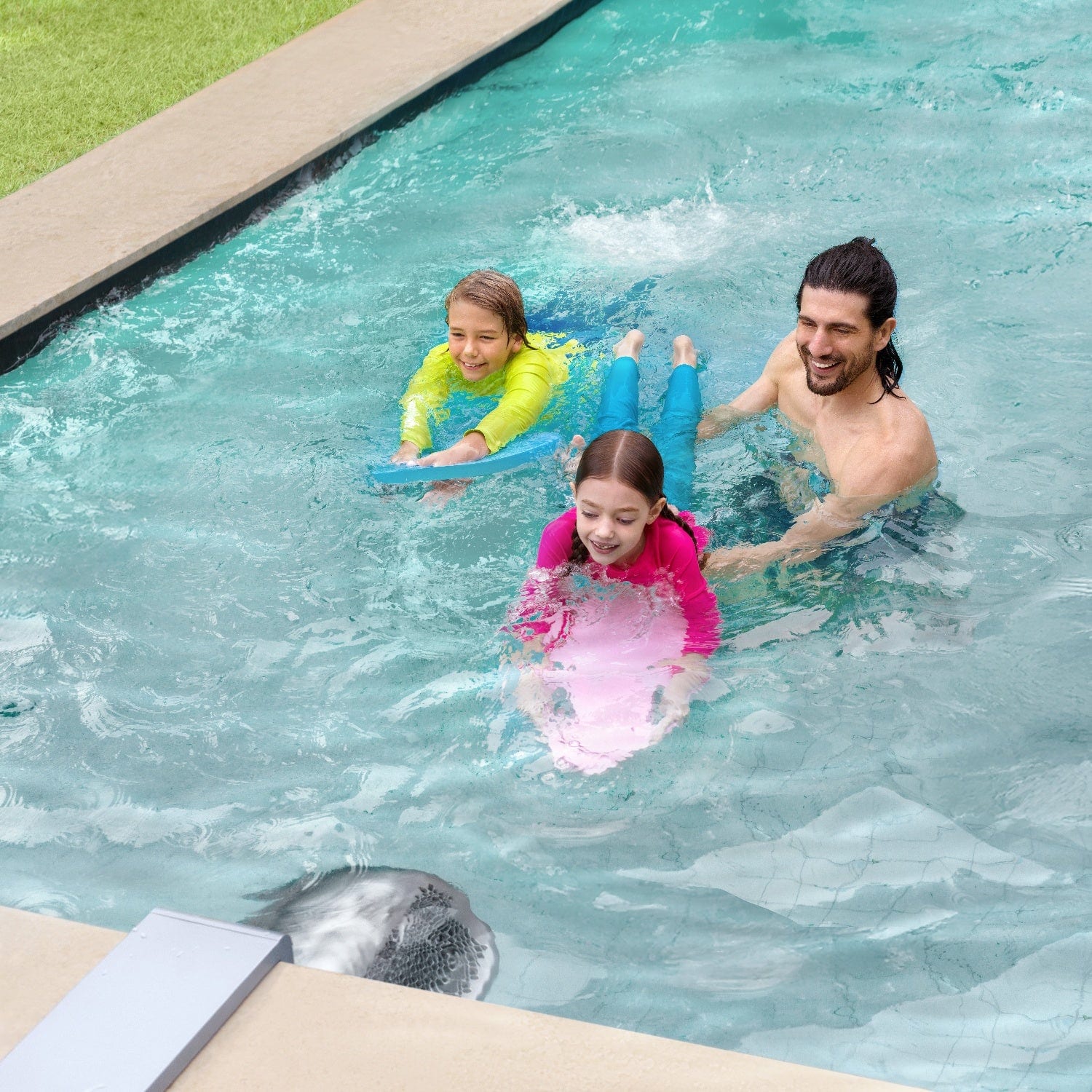
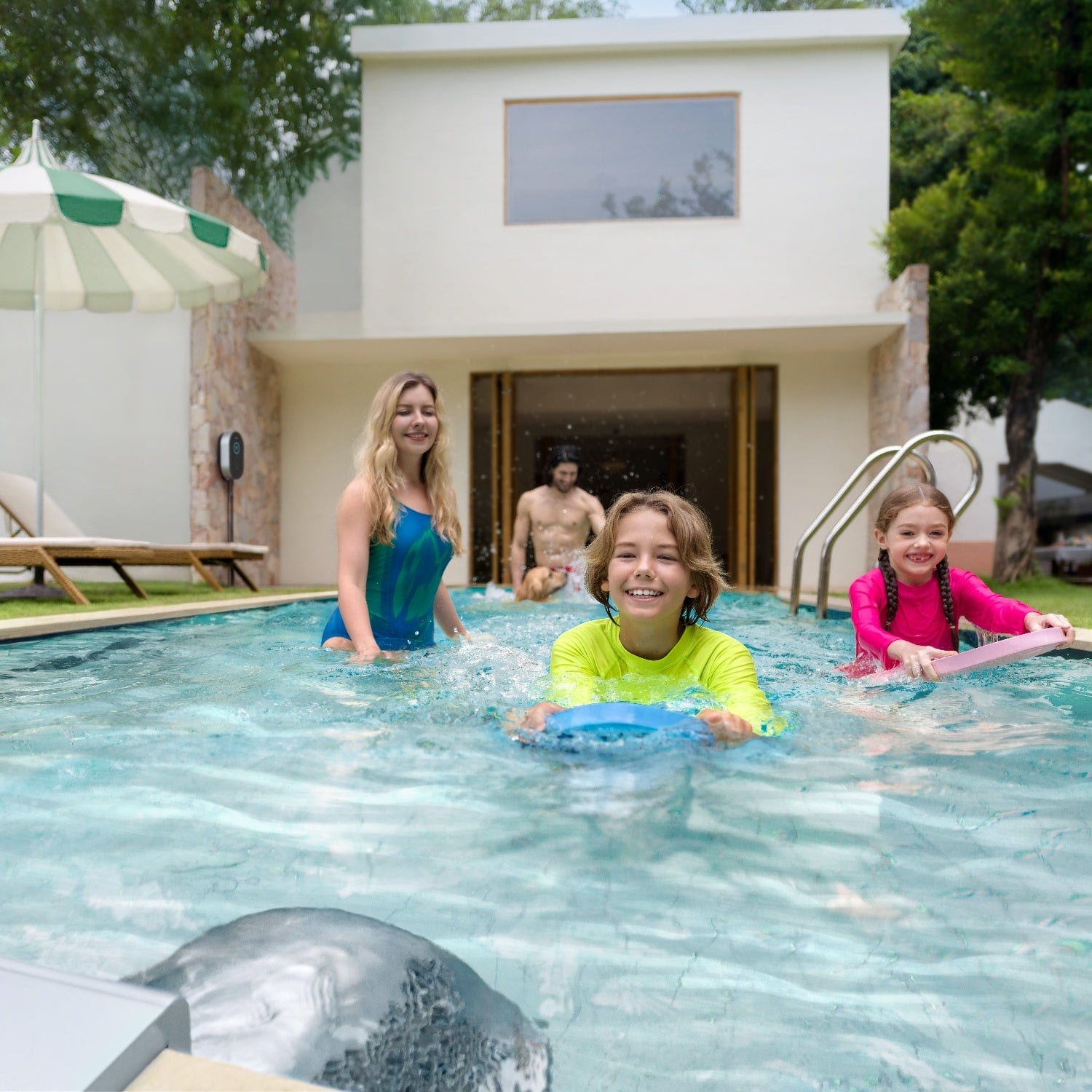
Potential users range from recreational swimmers to triathletes, fitness-focused households and people who simply prefer low-impact aquatic exercise. Australian Government physical activity guidance encourages adults to be active regularly and include appropriate strengthening and movement across the week.[3] A home swim jet can support that goal, although individuals with medical or rehabilitation needs should follow professional advice.
Current quality matters more than headline power
A narrow, turbulent blast may feel powerful but can make technique difficult. A broader, smoother current distributes resistance across more of the swimmer's body and can feel more like swimming through moving water. Advanced swimmers should pay close attention to flow width, stability and maximum sustainable resistance, while beginners benefit from low-speed control and gradual increments.
Training formats that work well
Steady aerobic swimming
Set a current that allows relaxed, repeatable stroke mechanics and swim continuously for a chosen duration. This is the simplest format and can replace distance-based easy swimming when pool length is limited.
Intervals
Increase current strength for a hard effort, then reduce it or rest for recovery. Because there are no turns, the work period can be controlled very precisely. A convenient pool-side or in-water control makes this much easier.
Technique and body-position drills
A stable current can expose asymmetry because the swimmer remains in one visual position. Drills can focus on alignment, catch, kick rhythm and breathing. Video from the side may also be easier because the athlete does not travel along the pool.
Resistance walking and general aquatic fitness
At lower settings, the current can add resistance to walking and controlled movement. This can broaden use beyond formal swimming, provided the pool depth, footing and user capability are appropriate.
What pool size is needed for training?
A very long pool is unnecessary, but a cramped swimming zone is undesirable. The swimmer needs enough distance from the outlet to settle into the current and adequate clearance behind for drift. Width must accommodate normal stroke movement without striking walls, rails or steps. Deeper water may feel more natural for stronger swimming, while depth must still suit all intended users.
Built-in versus portable swim jets for fitness
Built-in systems can be designed around a dedicated training position and provide a clean permanent installation. Portable swim jets are useful where the owner wants to add genuine swimming resistance to an existing pool with less structural work. For fitness use, the portable unit should be judged on the same criteria as a fixed system: flow width, maximum resistance, adjustability, stability, controls and service support.
How to choose the right resistance range
A household with mixed users needs a broad adjustment range. The lowest usable setting should be gentle enough for less confident swimmers, while the highest should challenge the strongest regular user. Fine increments are often more useful than a very high top speed because they make it easier to find a sustainable pace.
Session planning
- Warm up at an easy current before increasing resistance.
- Use time rather than distance: for example, short work and recovery blocks.
- Change only one variable at a time - current strength, work duration or recovery.
- Stop if technique deteriorates markedly; excessive resistance can turn a swim session into a fight against turbulence.
- Keep the intake and swimming zone clear before starting.
Energy and practical running cost
A swim jet normally runs only while someone is actively using it, which makes hours of operation relatively easy to estimate. Multiply rated input power by session hours and the electricity tariff to build a basic cost model. Australian Government guidance on pool equipment highlights the broader benefit of selecting efficient equipment and operating it sensibly.[1][2]
Safety for home training
Training intensity should never override normal pool safety. Users need a clear method to stop the system, and children should be supervised. Strong currents can change body position quickly, so new users should begin at low settings. Electrical installation and pool barriers should comply with applicable Australian requirements.[4][5][6]
Is a swim jet a substitute for coaching?
No. It is a training tool. It can create repetition and make technique easier to observe, but it does not diagnose stroke faults. Competitive swimmers and triathletes may gain more value when a coach helps set appropriate sessions and resistance levels.
Buying checklist for fitness users
- Test or view the actual current if possible.
- Prioritise smoothness and width, not only maximum force.
- Confirm the resistance range suits the strongest and weakest users.
- Check how easily speed can be changed during intervals.
- Measure the swimming zone and remove conflicts with steps and ladders.
- Compare built-in, retrofit and portable swim jet formats.
- Confirm electrical input, warranty and Australian service support.
Frequently asked questions
Can a strong swimmer train properly in a home pool?
Yes, if the current can provide enough stable resistance and the pool gives the swimmer a suitable clear zone. Not every swim jet is designed for advanced swimmers, so specifications and demonstrations matter.
Can I use a portable swim jet for interval training?
Potentially. The decisive issues are current quality, adjustment response, secure installation and whether the unit can sustain the required output.
Is counter-current swimming easier than lap swimming?
It can feel different rather than simply easier. There are no turns or wall push-offs, and the current can be adjusted continuously. Poorly shaped flow can actually make swimming more difficult because of turbulence.
Conclusion
For home fitness, a swim jet is most valuable when it creates a controllable, repeatable current that encourages good movement rather than forcing the swimmer to fight the equipment. A well-matched built-in or portable swim jet can turn a compact Australian pool into a practical year-round training asset, subject to climate, heating and individual use. For a full overview of system types and buying considerations, see the complete guide to swim jets in Australia.
References and authoritative sources
- Australian Government Department of Climate Change, Energy, the Environment and Water - swimming pool pump energy guidance: energy.gov.au/households/pools-spas
- Australian Government Energy Rating - pool pumps: energyrating.gov.au/consumer-information/products/pool-pumps
- Australian Government Department of Health and Aged Care - physical activity and exercise guidance: health.gov.au/topics/physical-activity-and-exercise
- Standards Australia - standards and consumer safety information: standards.org.au
- Australian Building Codes Board - National Construction Code: ncc.abcb.gov.au
- NSW Government - swimming pool safety and owner responsibilities: nsw.gov.au/housing-and-construction/swimming-pools-and-spas
- SPASA Australia - swimming pool and spa industry information: spasa.com.au
Frequently Asked Questions
- Can a strong swimmer train properly with a home swim jet? +
- Yes, if the current provides enough stable resistance and the pool gives you a suitable clear zone. The M230 delivers 230 m³/h at up to 4.0 m/s, providing a genuine training-level current for advanced swimmers.
- What training formats work well with a swim jet? +
- Steady aerobic swimming, intervals, technique and body-position drills, and resistance walking all work well. Because there are no turns, work and recovery periods can be controlled very precisely using time rather than distance.
- How do I plan interval sessions with a swim jet? +
- Increase current strength for a hard effort, then reduce it or rest for recovery. The M Series touchscreen, remote and app controls make speed changes easy during sessions. Change only one variable at a time to track progress.
- Can a swim jet help improve my swimming technique? +
- Yes. A stable current can expose stroke asymmetry because you remain in one visual position. Drills focusing on alignment, catch, kick rhythm and breathing are easier to observe, and poolside video is simpler because you do not travel along the pool.
- Is counter-current swimming easier than lap swimming? +
- It feels different rather than simply easier. There are no turns or wall push-offs, and the current is adjustable. The M Series creates a broad, stable flow designed for comfortable technique rather than forcing you to fight turbulence.
- What pool size do I need for proper swim training? +
- The M Series requires a minimum pool of 5 m x 3 m. You need enough distance from the outlet to settle into the current, adequate width for normal stroke movement and some clearance behind for drift under harder efforts.
- Can triathletes use a swim jet for training? +
- Yes. The M230 provides a strong, adjustable current suited to continuous aerobic work and interval training. Counter-current swimming removes turn interruptions, making it easier to maintain sustained effort similar to open-water conditions.
- Is a swim jet a substitute for a swimming coach? +
- No. A swim jet is a training tool that creates repetition and makes technique easier to observe, but it does not diagnose stroke faults. Competitive swimmers and triathletes gain more value when a coach helps set appropriate sessions.
- How do I choose between the M180 and M230 for fitness? +
- The M180 at 180 m³/h and 3.3 m/s suits recreational to moderate fitness swimmers. The M230 at 230 m³/h and 4.0 m/s provides stronger resistance for advanced swimmers and those wanting room to grow.
- How should I warm up before a swim jet training session? +
- Start at an easy current setting before increasing resistance. Swim at a relaxed pace for several minutes to loosen up, then progress to your working intensity. Always keep the swimming zone clear before starting.
Ready to upgrade your pool?
Explore the Swim Jets Australia range or get a tailored recommendation in two questions.