Swim Jets
Swim Jet Guide for Pool Builders, Architects & Designers in Australia (2026)
August 8, 2026 · 11 min read
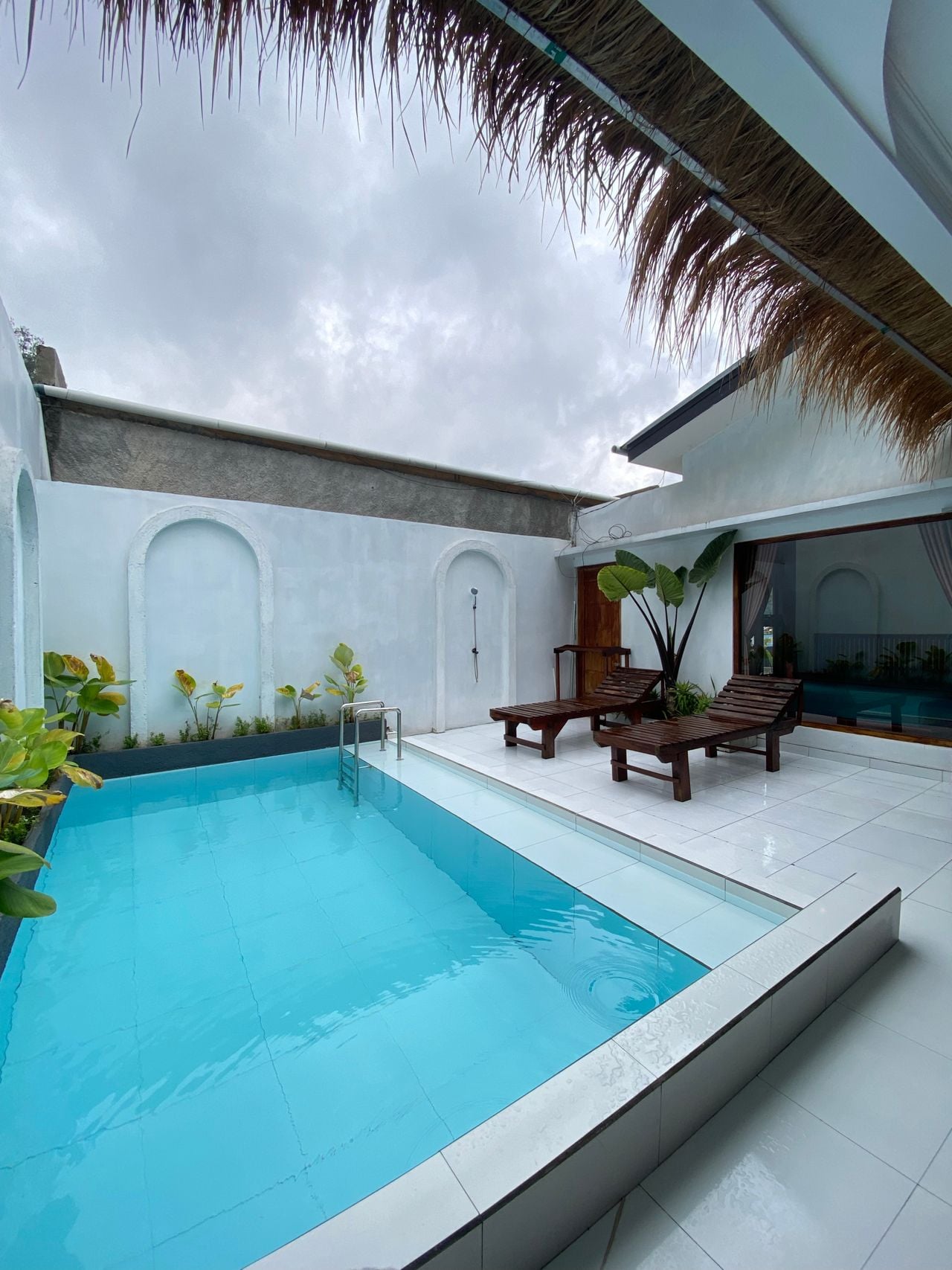
For pool builders, architects and landscape designers, a swim jet should be treated as part of the pool design rather than an accessory selected at the end. The position of the current, pool geometry, structure, hydraulic path, electrical supply, access, barriers and visual integration all influence whether the finished system feels deliberate or compromised. Early coordination is especially important on compact pools, where a swim jet can create substantial functional value from limited space.
Start with the User Brief, Not the Equipment Schedule
Establish who will use the system and why. A recreational household, committed lap swimmer, triathlete and wellness client seeking low-impact exercise may need different flow characteristics and pool geometry. Determine expected swimmer height, ability range, session type and whether the pool must also accommodate play, spa seating or children. This defines the performance brief before a product is specified.
Position the Swim Zone Early
The current should have a clear uninterrupted path. Avoid placing the primary swimming line directly into steps, ledges, beach entries, handrails or abrupt wall geometry. Consider body drift at maximum resistance, full arm span, kick clearance and how another pool user might circulate around the swimmer.
Pool Geometry and Depth
Counter-current swimming reduces the need for length but does not eliminate the need for proportion. A narrow plunge pool may need careful outlet positioning and a clean central corridor. The depth should support the intended swimming style without creating a safety or accessibility conflict for other users. The designer should also consider waterline, coping height and where in-water controls can be reached.
Hydraulic Design and Current Quality
Swim performance depends on the delivered water flow, not simply the motor label. Inlet area, outlet geometry, flow volume, turbulence and the relationship between the jet and pool walls all matter. Designers should obtain manufacturer installation drawings and performance information early enough to coordinate the system with structure and finishes.
Structure and Waterproofing
Any built-in fitting that penetrates a pool shell should be detailed with the structural and waterproofing strategy. Coordinate sleeves, niches and embedded components before reinforcement and concrete placement where possible. Late changes are more expensive and can create avoidable waterproofing risk. Fibreglass and modular pools require system-specific detailing and should not be assumed to accept the same installation approach as concrete pools.
Electrical Coordination
Electrical load, cable routes, controls, isolation and equipment clearances need to be resolved before finishes are locked in. Pool electrical work is safety-critical and should be carried out by appropriately licensed trades under applicable Australian requirements. The National Construction Code and relevant Australian Standards form part of the wider compliance environment.[4][5]
Equipment Rooms and Serviceability
A visually minimal pool can hide a maintenance problem if pumps and controls become inaccessible. Provide realistic access for inspection, replacement and ventilation where required. Document the removal path for major components. A service technician should not have to damage premium paving, cladding or joinery to reach routine equipment.
Noise and Vibration
High-output equipment should be considered in relation to bedrooms, neighbours and quiet outdoor spaces. Equipment location, mounting and enclosure details can affect perceived noise. Ask manufacturers for installation requirements and avoid creating rigid structural paths that unnecessarily transmit vibration into occupied spaces.
Energy and Equipment Selection
Clients increasingly ask about operating cost, particularly those interested in regular swimming and fitness training. Although a swim jet is not the same as the filtration pump, Australian Government guidance on efficient pool equipment provides a useful design principle: specify equipment based on real operating needs and efficiency rather than oversizing by default.[1][2] Record electrical input and realistic weekly usage so the client can understand running cost.
Barriers, Decks and External Equipment
New equipment should not compromise a compliant pool barrier. External housings, platforms and furniture-like structures can change climbability or circulation around the pool. State and territory requirements vary; NSW Government guidance illustrates the type of owner obligations that must be considered.[6] Barrier coordination should therefore happen before the equipment location is finalised.
Portable Swim Jets as a Design Option
Portable swim jets are relevant to designers for more than retrofits. They can be specified where a client values reversibility, wants to avoid shell penetrations, is uncertain about long-term use or has a project where permanent plant integration is difficult. A portable unit can also be a useful staged solution: the pool is designed with a clear swimming zone and suitable electrical planning, while the counter-current equipment remains removable.
The design challenge is to make the portable solution look intentional. Consider storage when removed, deck circulation, cable or connection management, anchoring, safety clearances and how the unit interacts with a cover. Portable should not mean improvised.
New-Build Specification Checklist
- Define swimmer profile and target performance.
- Nominate the swimming line and clear zone on plan.
- Obtain manufacturer installation drawings before structural documentation is final.
- Coordinate penetrations, reinforcement and waterproofing.
- Confirm electrical load, controls and isolation.
- Provide maintainable plant access and component removal paths.
- Review acoustic impact.
- Check barrier implications and state requirements.
- Document commissioning and user handover requirements.
- Consider whether a portable swim jet offers a lower-risk or more flexible alternative.
Renovation Specification Checklist
- Inspect existing shell and finishes before proposing penetrations.
- Survey plant space and electrical capacity.
- Confirm whether drainage and finish reinstatement are required.
- Price construction and reinstatement separately from equipment.
- Compare a structural retrofit with external or portable swim jet options.
- Protect existing waterproofing warranties where relevant.
Documentation and Handover
The project record should identify the exact model, electrical requirements, service clearances, controls, commissioning settings, warranty conditions and maintenance instructions. If the swim system has adjustable performance levels, the client should be shown how to start at a low setting, change output and stop the system quickly.
Frequently Asked Design Questions
Should the jet be centred on the pool?
Not automatically. It should be centred on the intended swimming zone. Pool steps, benches and circulation may make an offset position function better.
Can a swim jet rescue an undersized pool?
It can add genuine swimming function to a compact pool, but it cannot fix every geometric limitation. The swimmer still needs safe clearance and a coherent flow path.
When should a portable swim jet be specified?
Consider one when reversibility, minimal shell work, faster installation or future relocation are important. It can also reduce risk in renovation projects where the existing structure is difficult to modify.
Conclusion
The strongest swim-jet projects are coordinated before construction documentation is complete. For a comprehensive overview, see the complete guide to counter-current swimming systems. Builders and designers should integrate the swimming zone, flow system, structure, waterproofing, electrical supply, service access and barrier environment as one design problem. Permanent built-in systems can deliver the cleanest integration, while portable swim jets provide an increasingly useful alternative where flexibility and low structural impact matter.
References and Authoritative Sources
- Australian Government Department of Climate Change, Energy, the Environment and Water - swimming pool pump energy guidance: energy.gov.au/households/pools-spas
- Australian Government Energy Rating - pool pumps: energyrating.gov.au/consumer-information/products/pool-pumps
- Australian Government Department of Health and Aged Care - physical activity and exercise guidance: health.gov.au/topics/physical-activity-and-exercise
- Standards Australia - standards and consumer safety information: standards.org.au
- Australian Building Codes Board - National Construction Code: ncc.abcb.gov.au
- NSW Government - swimming pool safety and owner responsibilities: nsw.gov.au/housing-and-construction/swimming-pools-and-spas
- SPASA Australia - swimming pool and spa industry information: spasa.com.au
Frequently Asked Questions
- When should a swim jet be specified in a pool design? +
- Ideally at the concept stage. Early coordination allows the builder to plan the swim zone, pool geometry, depth, electrical supply and service access before construction documentation is finalised. Late additions often compromise the result.
- Should the swim jet outlet be centred on the pool? +
- Not automatically. It should be centred on the intended swimming zone. Pool steps, benches and circulation paths may make an offset position function better than a geometrically centred placement.
- Can a portable swim jet be specified for a new pool project? +
- Yes. A portable unit like the M Series can be a deliberate design choice where the client values reversibility, wants to avoid shell penetrations, or prefers to defer a permanent installation. The pool should still be designed with a clear swimming zone.
- What pool dimensions suit a swim jet installation? +
- The M Series requires a minimum pool size of 5 m x 3 m. The designer should consider the swimmer's full arm span, kick path, possible drift under harder efforts and safe separation from steps and walls.
- How does a swim jet affect noise levels near the pool? +
- The M Series uses a PMSM motor that runs more quietly than traditional pump-based systems. Equipment location, mounting and enclosure details can still affect perceived noise, so consider proximity to bedrooms and neighbouring properties.
- What documentation should be provided at handover? +
- The project record should identify the exact model, electrical requirements, service clearances, controls, warranty conditions and maintenance instructions. Show the client how to start at a low setting, change output and stop the system quickly.
- Can a swim jet rescue an undersized pool design? +
- It can add genuine swimming function to a compact pool, but it cannot fix every geometric limitation. The swimmer still needs safe clearance, adequate depth and a coherent flow path free from obstructions.
- How should steps and seating be positioned relative to the swim jet? +
- Steps, benches, tanning ledges and spa seats should be placed outside the main swimming line. In a compact pool, poor placement can disrupt the current, create collision points or push the swimmer toward an obstacle.
- What makes the M Series relevant for renovation projects? +
- The M Series can reduce risk in renovations where the existing pool structure is difficult to modify. It requires no shell penetrations, plumbing or permanent electrical work, and it preserves the existing pool finish.
- How should energy use be communicated to clients? +
- Record the rated electrical input and realistic weekly usage so the client can estimate running costs. The M180 draws 0.8 kW and the M230 draws 1.2 kW, making operating costs straightforward to calculate.
Ready to upgrade your pool?
Explore the Swim Jets Australia range or get a tailored recommendation in two questions.